

| Healthy gum colour (dogs & cats) | Salmon pink, moist to the touch (Veterinary general practice standard) |
| Capillary refill time (normal) | 1–2 seconds (Veterinary general practice standard) |
| Ideal body condition score (BCS) | 4–5 out of 9 on most veterinary scales (WSAVA Global Nutrition Guidelines) |
| Coat assessment frequency | Weekly hands-on inspection recommended |
| Skin turgor (hydration) test | Skin snaps back instantly when pinched |
| Eye discharge (normal) | Small amount of clear or slightly tan crust at inner corner |
Why Physical Appearance Is a Reliable Health Indicator
Pets can't describe how they feel, which makes their physical appearance one of the most informative tools owners have. Skin, coat, eyes, body weight, and muscle tone all reflect what's happening internally — from nutritional status and hydration to organ function and immune health. Learning to read these markers accurately lets owners catch early changes before they become serious problems.
This guide focuses on cats and dogs, the most common household pets, though many principles apply broadly. Importantly, what looks healthy varies by breed, age, and baseline — so compare your pet to itself over time, not just to a generic standard. For deeper context on how behaviour intersects with physical health, see our guide on subtle behavioural changes that often signal illness.
| Healthy gum colour (dogs & cats) | Salmon pink, moist to the touch (Veterinary general practice standard) |
| Capillary refill time (normal) | 1–2 seconds (Veterinary general practice standard) |
| Ideal body condition score (BCS) | 4–5 out of 9 on most veterinary scales (WSAVA Global Nutrition Guidelines) |
| Coat assessment frequency | Weekly hands-on inspection recommended |
| Skin turgor (hydration) test | Skin snaps back instantly when pinched |
| Eye discharge (normal) | Small amount of clear or slightly tan crust at inner corner |
Coat, Skin, and Eyes: Your First Checkpoints
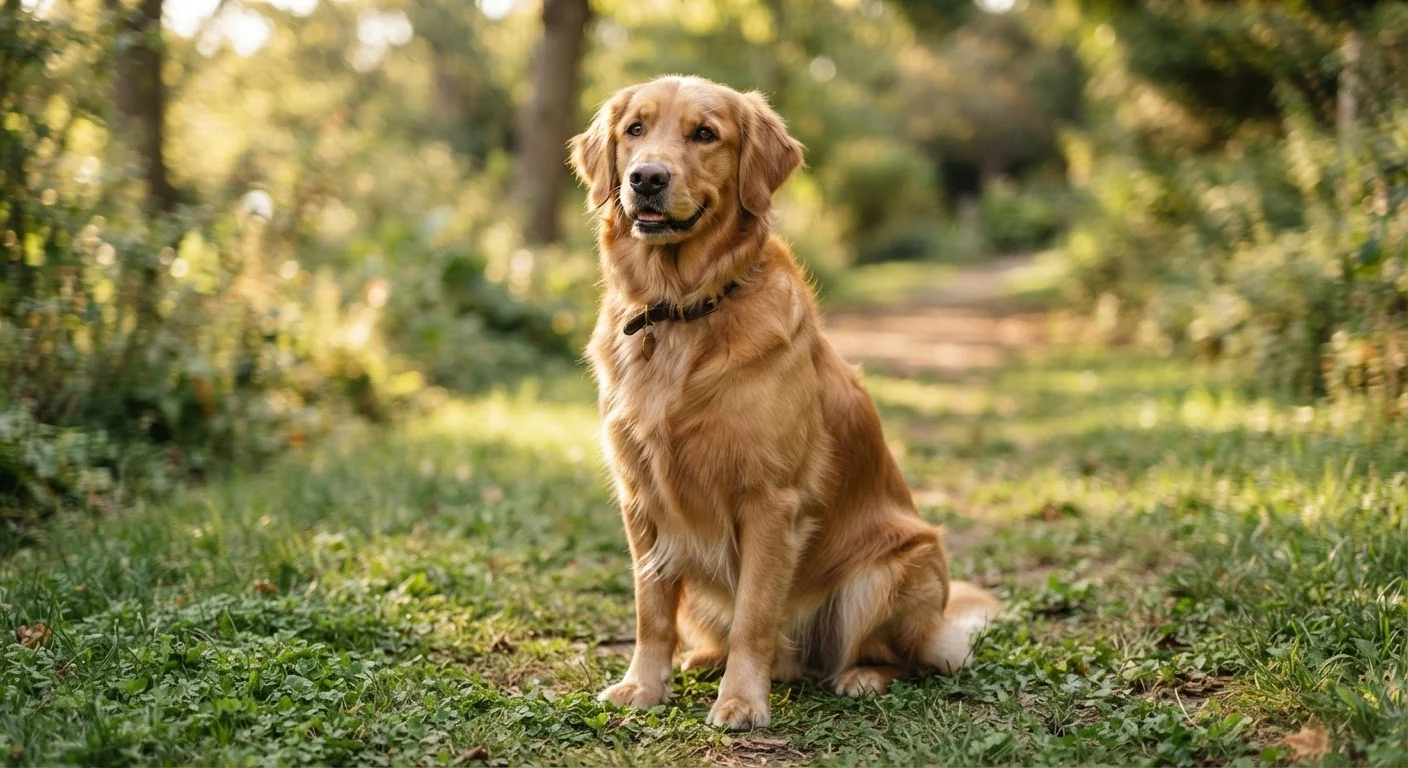
Coat condition is one of the fastest read-outs of a pet's internal health. A healthy coat is smooth, pliable, and has a natural sheen — not greasy or dull. Dogs and cats with adequate nutrition and no underlying disease shed normally for their breed type without excessive thinning or bald patches. Rough, brittle, or patchy fur often points to nutritional gaps, parasites, allergies, or hormonal imbalance. For breed-specific coat expectations, coat type and grooming demands vary considerably between short- and long-coated animals.
Skin beneath the coat should be supple and free of redness, flakiness, or odour. Pinch the skin gently between two fingers and release — in a well-hydrated animal, it should snap back immediately. A tent that lingers can indicate dehydration. Note that skin problems sometimes originate from stress; our article on how stress manifests physically in pets explains the connection.
Eyes should be bright and clear, with no cloudiness, excessive discharge, or visible third eyelid (the pale membrane sometimes called the haw). Mild daily discharge in the inner corner is normal for some breeds, but yellow, green, or heavy watery discharge warrants veterinary attention.
Body Condition Score (BCS)
A standardized numerical scale — typically 1 to 9 — used by veterinarians to evaluate an animal's fat coverage and overall body composition. A score of 4 or 5 is generally considered ideal for most dogs and cats.
Sarcopenia
The progressive loss of muscle mass and strength that commonly occurs with age or chronic illness. In pets, it is detectable by running hands along the spine and hindquarters and noting reduced muscle bulk.
Capillary Refill Time (CRT)
The time it takes for gum colour to return after brief fingertip pressure is applied and released. A CRT of one to two seconds is normal; longer times may indicate circulatory compromise.
Skin Turgor
A measure of skin elasticity used to estimate hydration status. In a well-hydrated pet, skin gently pinched between the fingers returns to its normal position immediately after release.
Third Eyelid (Haw)
A pale nictitating membrane located in the inner corner of a pet's eye. Occasional visibility is normal in some animals, but persistent protrusion alongside other symptoms can indicate illness.
Body Condition, Weight, and Muscle Tone
Scale weight alone tells an incomplete story. Veterinarians rely on body condition scoring (BCS) — a standardized assessment of fat coverage over the ribs, spine, and hip bones — to evaluate whether an animal is at a healthy size. In a dog or cat at an ideal weight, you should be able to feel the ribs easily with light finger pressure but not see them prominently. The waist should be visible from above and the abdomen should tuck up slightly when viewed from the side.
Muscle mass matters as much as fat coverage. An animal can have adequate fat reserves but significant muscle loss — a state called sarcopenia — which is common in ageing or chronically ill pets. Run your hands along your pet's spine and hindquarters regularly to monitor for changes. For a thorough breakdown of how vets actually assess size, see why weight on the scale isn't the whole story.
Diet quality underlies body condition, so understanding pet food nutrition labels is a useful companion skill for any owner trying to maintain healthy weight in their animal.
80%
Dogs with dental disease by age 3
The American Veterinary Medical Association notes that most dogs show signs of periodontal disease by their third year.
~60%
Pet dogs and cats classified as overweight or obese
Annual clinical surveys conducted by the Association for Pet Obesity Prevention have consistently found elevated overweight rates in US companion animals.
1 in 3
Cats affected by chronic kidney disease in older age
International Cat Care cites chronic kidney disease as one of the most common conditions diagnosed in middle-aged and older cats.
Mouth, Nose, Ears, and Energy: Completing the Picture
Gums in cats and dogs should be pink and moist — pale, white, blue-tinged, or brick-red gums are warning signs requiring prompt veterinary assessment. Pressing a fingertip against the gum and releasing should restore colour within two seconds (capillary refill time); a slower return may indicate circulatory issues.
Teeth in healthy pets are mostly white with only mild tartar buildup typical for their age. Significant brown or yellow accumulation, especially near the gum line, signals dental disease that has systemic health implications beyond just the mouth.
A dog's nose is often cited as a health indicator — and while the moist-versus-dry distinction is not reliable on its own, persistent cracking, discharge, or changes in colour alongside other symptoms are worth noting. Cats' noses are normally soft and slightly damp.
Ears should have no strong odour and only a small amount of light-coloured wax. Dark, crumbly debris or persistent head-shaking often signals infection or mites.
Energy and mobility complete the physical picture. A healthy pet engages with its environment at a level appropriate for its age and breed. Sudden reluctance to climb, jump, or play can reflect pain or fatigue rather than laziness. As pets age, the threshold for what's normal shifts — our guide on physical shifts in senior pets addresses this in detail.
This article provides general educational information about pet health and is not a substitute for professional veterinary advice. If you notice changes in your pet's physical condition, consult a licensed veterinarian for an accurate assessment and appropriate care.