

Key Takeaways
- Chronic stress in pets frequently surfaces as physical symptoms before behavioral changes become obvious.
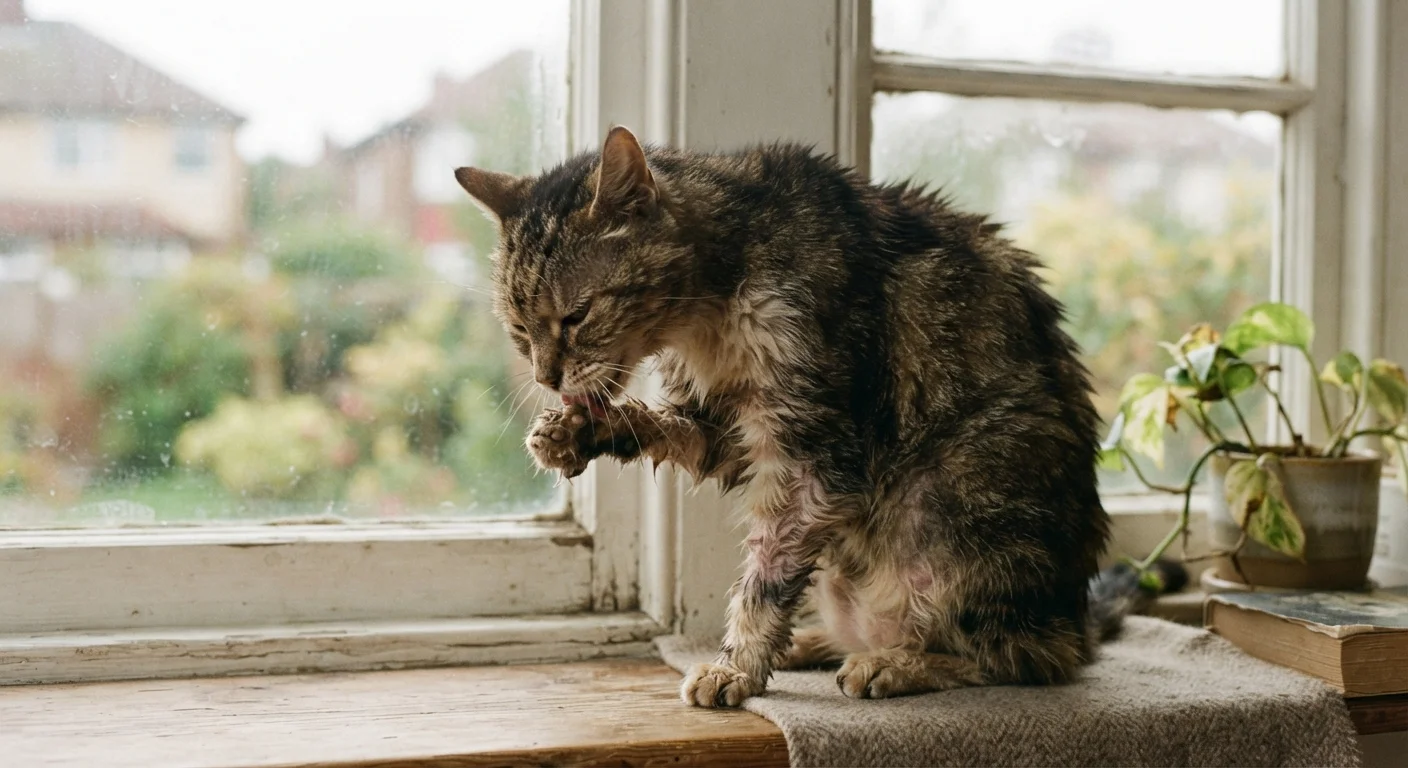
- Digestive upset, skin conditions, and over-grooming are among the most overlooked stress signals.
- Many owners treat the symptom without identifying the underlying stressor, leading to recurring issues.
- A veterinarian should always be consulted when physical symptoms persist or worsen unexpectedly.
Why Physical Symptoms and Stress Are Linked in Animals
Most owners think of stress in pets as a behavioral problem — destructive chewing, hiding, or aggression. But the body responds to chronic stress before behavior shifts become unmistakable. The same stress-hormone cascade that affects humans (elevated cortisol, suppressed immune function, altered gut motility) operates in dogs, cats, rabbits, and other companion animals. The result is a range of physical symptoms that can look like unrelated health problems.
Understanding this connection is essential for any owner trying to support their animal's wellbeing. For a broader picture of what good health looks like in animals, see our guide on reading the physical signs of a healthy pet.
Treating recurring digestive issues as a dietary problem without considering stress.
Why it happens: Loose stools, vomiting, or appetite loss are so commonly associated with food that owners naturally adjust diet first. Stress-induced gut changes can look identical to food intolerance.
Dismissing over-grooming or hair loss as a skin condition or parasite issue alone.
Why it happens: Patchy fur, bald spots, and skin irritation have obvious physical explanations, and owners often pursue those first — sometimes for months — without resolution.
Assuming a pet that isn't acting out isn't stressed.
Why it happens: Owners associate stress with visible behavior like aggression or destruction. A quiet, withdrawn animal may appear fine, when in fact suppressed stress is manifesting internally.
Stopping treatment once the physical symptom resolves without addressing the underlying stressor.
Why it happens: When symptoms clear up, it feels like the problem is solved. The stressor — a new pet, schedule change, or environmental trigger — often remains in place.
Interpreting stress-related urinary issues as purely a medical or hygiene problem.
Why it happens: Inappropriate urination or frequent litter box visits are easily attributed to infection or poor box maintenance. Stress-related lower urinary tract disease in cats, in particular, is frequently missed.
Common Mistakes Owners Make When Stress Goes Physical
The following errors aren't a sign of negligence — they reflect how genuinely difficult it can be to connect physical symptoms to psychological causes. Recognizing these patterns is the first step toward more effective care.
~50%
Feline cystitis cases with no infection found
Veterinary studies suggest that roughly half of cats presenting with lower urinary tract signs have feline idiopathic cystitis, a condition strongly associated with stress rather than bacterial infection.
1 in 3
Dogs showing stress-linked GI symptoms
Veterinary behavioral research has noted that gastrointestinal disturbances are among the most frequently reported physical manifestations of anxiety and stress in dogs.
If you've noticed changes in your pet's routine or temperament alongside these physical signs, our article on subtle behavioral changes that signal illness in pets offers important complementary context.
Physical Symptoms Always Warrant Veterinary Evaluation
Even when stress is a likely contributor, physical symptoms must be assessed by a veterinarian to rule out underlying medical conditions. Conditions like feline idiopathic cystitis, psychogenic alopecia, or stress colitis can resemble other serious diseases. Do not attempt to self-diagnose your pet's condition or delay veterinary care while exploring behavioral explanations.
Taking a Whole-Animal Approach
Addressing stress-related physical symptoms requires looking at the animal's entire environment, not just the presenting problem. Evaluate recent changes — new people or pets in the home, altered schedules, construction noise, or a move. Even positive changes like a new baby or more frequent visitors can unsettle a sensitive animal.
Environmental enrichment is a meaningful part of the solution. Our article on boredom, stress, and environmental enrichment explains what effective enrichment actually involves. For ongoing support, explore the daily habits covered in building a calm, confident pet.
Always involve your veterinarian when physical symptoms are present. They can rule out primary medical causes, recommend appropriate interventions, and — when needed — refer you to a veterinary behaviorist. Physical and psychological health in animals are deeply intertwined, and both deserve professional attention.
This article is for general informational and educational purposes only and is not a substitute for professional veterinary advice, diagnosis, or treatment. Always consult a qualified veterinarian regarding your pet's health.