

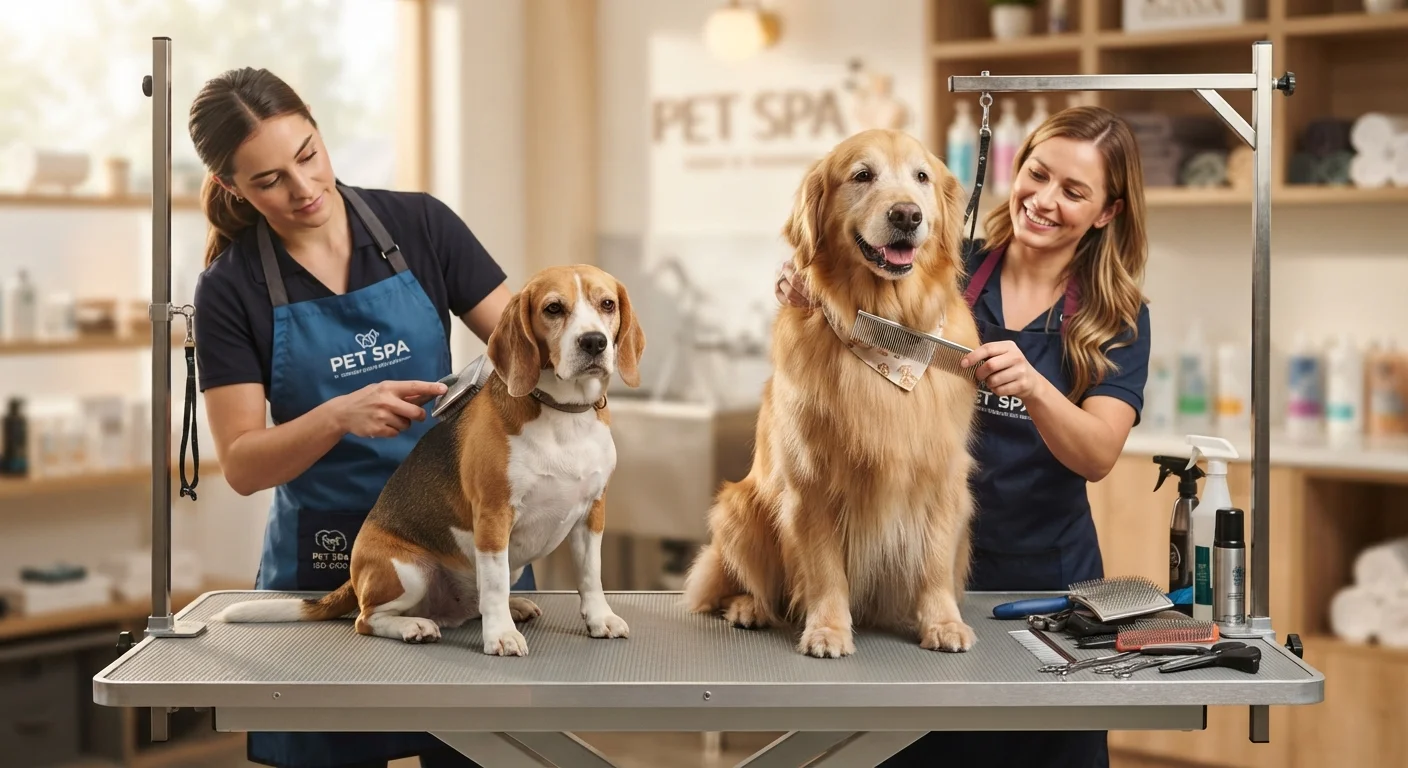
Key Takeaways
- Long-coated breeds typically require daily brushing to prevent painful matting and skin issues.
- Short-coated dogs shed frequently but need far less brushing — a weekly once-over usually suffices.
- Professional grooming costs are significantly higher for long-coated breeds, often needed every 6–8 weeks.
- Coat condition is a reliable indicator of overall pet health — dull or matted fur warrants a vet visit.
- Environment and lifestyle, including indoor versus outdoor time, affect how quickly any coat becomes dirty or tangled.
Our Verdict
Neither coat type is objectively easier — they simply demand different commitments. Short-coated breeds trade manageable brushing routines for persistent shedding that shows up on furniture and clothing. Long-coated breeds require a serious investment of time and grooming budget to stay healthy and comfortable. The right match depends on how much time you can realistically devote to coat care each week.
| Best for | Recommended |
|---|---|
| Owners with limited grooming time or budget | Short-coated breeds |
| Owners comfortable with regular brushing sessions and professional appointments | Long-coated breeds |
| Households sensitive to visible pet hair on surfaces and clothing | Long-coated breeds (lower airborne shedding in many cases) |
| Active owners whose dogs spend significant time outdoors in mud or brush | Short-coated breeds (easier to wipe clean) |
Why Coat Length Matters More Than Breed Popularity
When choosing a dog, most prospective owners research temperament, size, and energy level — but coat type often gets underestimated as a practical daily concern. The length and texture of a dog's coat directly determines how much brushing it needs, how prone it is to matting, how visibly it sheds, and how often a professional groomer needs to be involved. Understanding these demands upfront helps owners avoid frustration and, more importantly, helps dogs avoid preventable skin problems caused by neglected coats.
Coat care is also a window into overall health. As noted in our guide on reading your pet's physical signs, a dull, brittle, or matted coat can signal nutritional deficiencies, parasites, or underlying illness — making regular grooming an act of health monitoring, not just aesthetics.
Short-Coated Breeds: What to Realistically Expect
Short-coated breeds — including Beagles, Boxers, Labrador Retrievers, and Dalmatians — are widely assumed to be low-maintenance. That's partly true: they rarely mat, don't need regular haircuts, and can usually get away with a thorough brushing once or twice a week using a rubber curry brush or bristle brush.
The reality check, however, is shedding. Many short-coated breeds are prolific shedders, particularly those with dense double coats. Labrador Retrievers, for example, shed year-round with pronounced blowouts in spring and fall. Fine, short hairs embed themselves in upholstery and clothing in ways that longer hairs often don't. Owners should expect to vacuum frequently and invest in a good deshedding tool for seasonal coat transitions.
Bathing frequency is typically low — once every four to six weeks unless the dog has rolled in something unpleasant. Ear cleaning, nail trimming, and dental care still require attention on their usual schedules regardless of coat length. Professional grooming is generally optional for most short-coated breeds, though a deshedding bath treatment at a groomer can reduce indoor shedding significantly during peak seasons.
6–8 weeks
Typical professional grooming interval for long-coated breeds
Grooming professionals generally recommend this schedule to prevent coat matting and maintain skin health in long-coated dogs.
2x/year
Peak shedding seasons for double-coated breeds
Most double-coated dogs experience significant coat blowouts in spring and fall, requiring increased brushing regardless of outer coat length.
Long-Coated Breeds: Time, Technique, and Budget
Long-coated breeds — such as Afghan Hounds, Shih Tzus, Collies, Bernese Mountain Dogs, and Maltese — can be visually stunning, but that coat comes with real responsibility. Daily brushing is not optional for most long-coated dogs; skipping even a few days can allow tangles to progress into tight mats that pull painfully on the skin and may require professional dematting or shaving to resolve safely.
Matting Is a Health Issue, Not Just Cosmetic
Severe mats can restrict blood flow to the skin, trap moisture, and provide hiding spots for parasites. In extreme cases, they cause sores and serious discomfort. Never attempt to cut out a large mat with scissors — the skin can tent into the mat invisibly, making cuts dangerous. A professional groomer or veterinarian should handle severe matting safely.
Most long-coated breeds require a professional groom every six to eight weeks. At typical US grooming rates, this represents a meaningful ongoing expense — something to factor into the total cost of ownership before bringing a long-coated dog home. Groomers may perform breed-specific trims, sanitary clips, ear plucking (where appropriate), and coat conditioning treatments during each visit.
At-home maintenance between appointments should include line brushing — working through the coat in small sections down to the skin — rather than just smoothing the surface. Surface brushing is one of the most common grooming mistakes: it makes the coat look tidy while mats develop unseen underneath. Our home grooming guide covers technique in detail, including how to introduce brushing to dogs who resist it.
Side-by-Side Comparison: Key Grooming Factors
The table below summarises the most practical grooming differences between short-coated and long-coated breeds across the factors owners encounter most often.
| Short-Coated Breeds | Long-Coated Breeds | |
|---|---|---|
| Brushing frequency | 1–2 times per week | Daily or every other day |
| Mat risk | Very low | High without consistent brushing |
| Visible shedding | High — fine hairs on surfaces | Moderate — clumps, less embedded |
| Professional grooming need | Optional; 2–4 times per year | Required; every 6–8 weeks |
| Bathing frequency | Every 4–6 weeks | Every 3–4 weeks |
| Seasonal coat management | Heavy shedding periods twice yearly | Ongoing; intensifies seasonally |
| Grooming tool investment | Basic brush, deshedding tool | Slicker brush, comb, dematting tool |
Keep in mind that within each category, individual variation exists. A short-coated double-coated breed like a Siberian Husky may shed far more heavily than a long-coated single-coated breed like a Yorkshire Terrier. Always research the specific breed's coat type — not just its length.
Seasonal and Lifestyle Factors That Shift the Equation
Environment plays a significant role in how demanding any coat becomes to manage. Dogs who spend considerable time outdoors — particularly in wooded areas, tall grass, or muddy terrain — accumulate debris and moisture far more quickly than indoor dogs. For long-coated breeds, outdoor time dramatically increases the risk of matting and the frequency of bathing needed. This is one reason why coat choice intersects closely with lifestyle; our article on how environment shapes long-term pet health risks explores this dynamic in broader context.
Seasonal shedding affects both coat types but hits double-coated dogs — regardless of outer coat length — especially hard. Spring and fall coat blows can last several weeks, during which daily brushing is advisable even for dogs that normally require only weekly attention. Adding an omega-3-rich diet (discuss with your veterinarian) and ensuring adequate hydration can support coat health through these transitions.
As dogs age, grooming needs can shift. Senior dogs may develop thinner, more fragile coats or may become less tolerant of long grooming sessions. For a full picture of how care routines evolve with age, see our guide on preventive care from puppyhood through senior years.
Start Grooming Habits Early
Regardless of coat type, the earlier you introduce a puppy or newly adopted dog to grooming tools and handling, the more cooperative they'll be throughout their lives. Begin with short, positive sessions and reward calm behavior. Even dogs that never need frequent brushing benefit from being comfortable with being touched, examined, and handled — skills that make veterinary visits easier too.