

Key Takeaways
- High-mileage engines benefit from more frequent oil checks and, often, a heavier-viscosity or high-mileage formula oil.
- Rubber components — belts, hoses, and seals — deteriorate with age regardless of how carefully the car is driven.
- Cooling system maintenance becomes more critical as engines accumulate miles and metal surfaces show wear.
- Brake and suspension components wear at their own rate and should be inspected on a mileage schedule, not ignored.
- Knowing your car's repair-to-value ratio helps you make rational decisions about continued investment.
What 'High Mileage' Actually Means
The term high mileage is relative. Industry convention generally places the threshold around 75,000–100,000 miles, though modern engines built and maintained properly can run reliably well past 200,000 miles. What matters is not the odometer number alone but the cumulative stress placed on engine and drivetrain components over time.
A vehicle with 120,000 mostly highway miles and a documented maintenance history is often in better mechanical shape than one with 80,000 urban miles and irregular servicing. For everyday owners, the key insight is this: once a vehicle crosses into high-mileage territory, the maintenance priorities shift — from prevention to careful monitoring and proactive replacement of wear-prone components.
See the Vehicle Basics hub for a broad foundation of practical knowledge that applies whether your car has 30,000 miles or 180,000.
Oil and Lubrication: The First Priority
Engine oil is the most important variable in keeping a high-mileage engine alive. As engines age, internal clearances between moving parts widen slightly due to wear, and oil consumption can increase. Checking oil level between changes — not just at scheduled intervals — becomes more important the older an engine gets.
Some owners of high-mileage vehicles switch to a slightly higher-viscosity motor oil or an oil formulated specifically for higher-mileage engines. These blends typically contain seal conditioners and additional detergents that can help address minor seepage. Whether a switch makes sense depends on your engine's specific condition; a qualified mechanic can advise based on what they observe during service.
Check your oil level visually every two to three fill-ups on a high-mileage engine — not just at oil change intervals. Catching low oil early costs nothing; ignoring it can cost an engine.
Older engines with worn piston rings or valve seals can consume oil between services at a rate that standard intervals don't account for, making owner monitoring a practical safeguard.
When a mechanic inspects your high-mileage vehicle, ask them to note all items on a condition spectrum — not just what needs fixing today, but what is showing early wear. This gives you a repair roadmap rather than repeated surprises.
Proactive awareness of developing issues allows owners to budget and schedule repairs before components fail, which is nearly always less expensive than emergency repairs.
For accurate guidance on which fluids your vehicle needs and when to check them, the guide to fluid levels covers coolant, brake fluid, and more in plain detail.
It's also worth reviewing common maintenance myths — some popular beliefs about oil change intervals and fluid top-ups don't reflect how modern engines actually work.
Seals, Gaskets, and Rubber Components
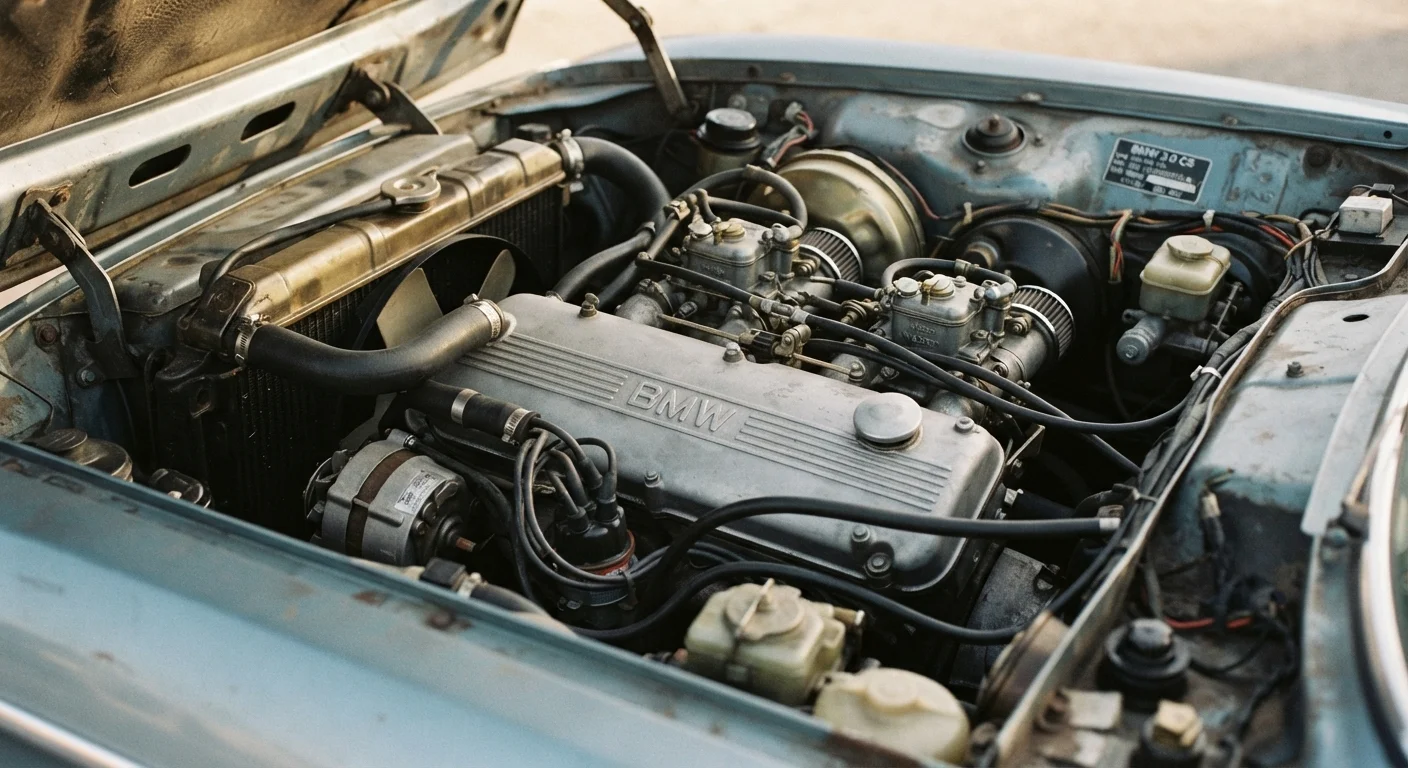
Rubber deteriorates with heat cycles and age, independent of mileage. By the time a vehicle has accumulated significant miles, the original belts, hoses, valve cover gaskets, and intake manifold seals have endured years of expansion and contraction. Small seeps often precede larger failures.
Timing Belt: Don't Miss the Interval
If your vehicle uses a timing belt rather than a timing chain, replacing it on schedule is non-negotiable. Failure can cause severe internal engine damage in many engine designs. Check your owner's manual for the replacement interval — commonly between 60,000 and 105,000 miles — and verify the service history if you purchased the vehicle used.
Timing belts — where fitted — have a manufacturer-specified replacement interval that should be treated as a hard deadline, not a suggestion. A snapped timing belt on an interference engine can cause catastrophic internal damage. If you are unsure whether your vehicle has a timing belt or timing chain, or when it was last replaced, a mechanic can check this quickly.
Coolant hoses and radiator hoses should be inspected for softness, cracking, or swelling at connection points. Power steering and brake lines deserve the same attention. These are low-cost parts compared to the towing and repair bills that follow a failure on the road.
Cooling System Vigilance
Overheating is one of the leading causes of serious engine damage in high-mileage vehicles. As engines age, coolant passages can develop mineral deposits, thermostats can stick, water pumps can weaken, and radiators can develop small blockages. The cooling system that was adequate at 50,000 miles may be operating with reduced efficiency at 150,000.
Coolant Type Matters — Don't Mix Them
Different coolant formulations use different corrosion inhibitor chemistries, and mixing incompatible types can accelerate degradation rather than extend protection. Always use the coolant type specified in your owner's manual, and if you're unsure what's currently in the system, a full flush and refill with the correct type eliminates the guesswork.
Coolant should be flushed and replaced according to the manufacturer's schedule — typically every two to five years depending on the type used. Old coolant becomes acidic and can corrode aluminum components from the inside, which is especially damaging in modern engines that use aluminum cylinder heads.
If your temperature gauge climbs higher than usual in traffic, or if you notice the heater produces less warmth than it once did, treat these as early warnings worth investigating promptly rather than symptoms to monitor indefinitely.
Brakes, Suspension, and Tires
Brake pads, rotors, calipers, and brake fluid all have finite service lives. On a high-mileage vehicle, suspension components — ball joints, tie rods, control arm bushings, and shock absorbers — have endured thousands of bumps and load cycles. Their degradation is gradual and can be easy to overlook until handling noticeably suffers.
Have brakes and suspension inspected at least once a year or whenever you notice changes in ride quality, steering feel, or braking distance. For more on interpreting brake symptoms, understanding brake noises explains what different sounds indicate and which warrant urgent attention.
Tires deserve equal attention. Aged rubber can crack even when tread depth appears adequate. The seasonal tire care guide covers pressure, rotation, and when replacement is overdue — all relevant regardless of the vehicle's age.
200,000+
Miles achievable with consistent maintenance
Consumer vehicle reliability data increasingly shows that well-maintained vehicles from multiple manufacturers routinely surpass 200,000 miles in service.
3–5 years
Typical car battery lifespan
Most automotive industry sources cite three to five years as the general service life for a standard 12-volt lead-acid car battery under normal operating conditions.
~30%
Of breakdowns linked to cooling system failure
Cooling system problems are consistently cited among the leading causes of roadside breakdowns and mechanical failures in passenger vehicles.
Electrical Systems in Aging Vehicles
Wiring harnesses, connectors, and sensors accumulate corrosion over time. On vehicles with significant mileage, intermittent electrical faults — a check engine light triggered by an aging oxygen sensor, or a dashboard warning from a failing crankshaft position sensor — become more common. These faults are worth diagnosing rather than dismissing, since sensors that read incorrectly can affect fuel economy and emissions compliance.
The battery is the electrical component most owners notice first. Batteries typically last three to five years; on a high-mileage vehicle that may have already had one or two replacements, it's worth checking battery health annually. The guide to car battery health explains how to recognize decline before a no-start situation strands you.
Alternators, starters, and ignition components also wear with mileage. If starting feels sluggish or electrical accessories behave erratically, have the charging system tested — it's a quick, inexpensive check at most service shops.
When Repairs Outweigh the Car's Value
At some point, every high-mileage vehicle reaches a crossroads. The practical benchmark many mechanics cite is that a single repair costing more than roughly one to three months of what a comparable replacement vehicle payment would cost deserves serious evaluation. This is general guidance, not a formula — the right answer depends on the vehicle's overall condition, reliability history, and your own financial circumstances.
Inspect Before Every Long Trip
High-mileage vehicles tolerate neglect less forgivingly than newer ones. Before any extended drive, verify fluid levels, tire condition and pressure, brake feel, and that no warning lights are active. Addressing a small issue at home is always preferable to a breakdown far from familiar territory.
Before any long journey in a high-mileage vehicle, a pre-trip inspection pays dividends. The pre-road-trip vehicle checklist walks through fluids, tires, lights, and brakes in a systematic way that catches issues before they become emergencies on the highway.
If you're navigating the decision between DIY maintenance and professional service on an aging vehicle, this balanced comparison helps identify which tasks suit a home mechanic and which carry meaningful risk if done incorrectly.
Ultimately, a high-mileage car kept in good mechanical order through consistent, targeted maintenance is a genuinely viable daily driver. The vehicles that fail prematurely are rarely those with the most miles — they're the ones that went too long between the checks that matter.