

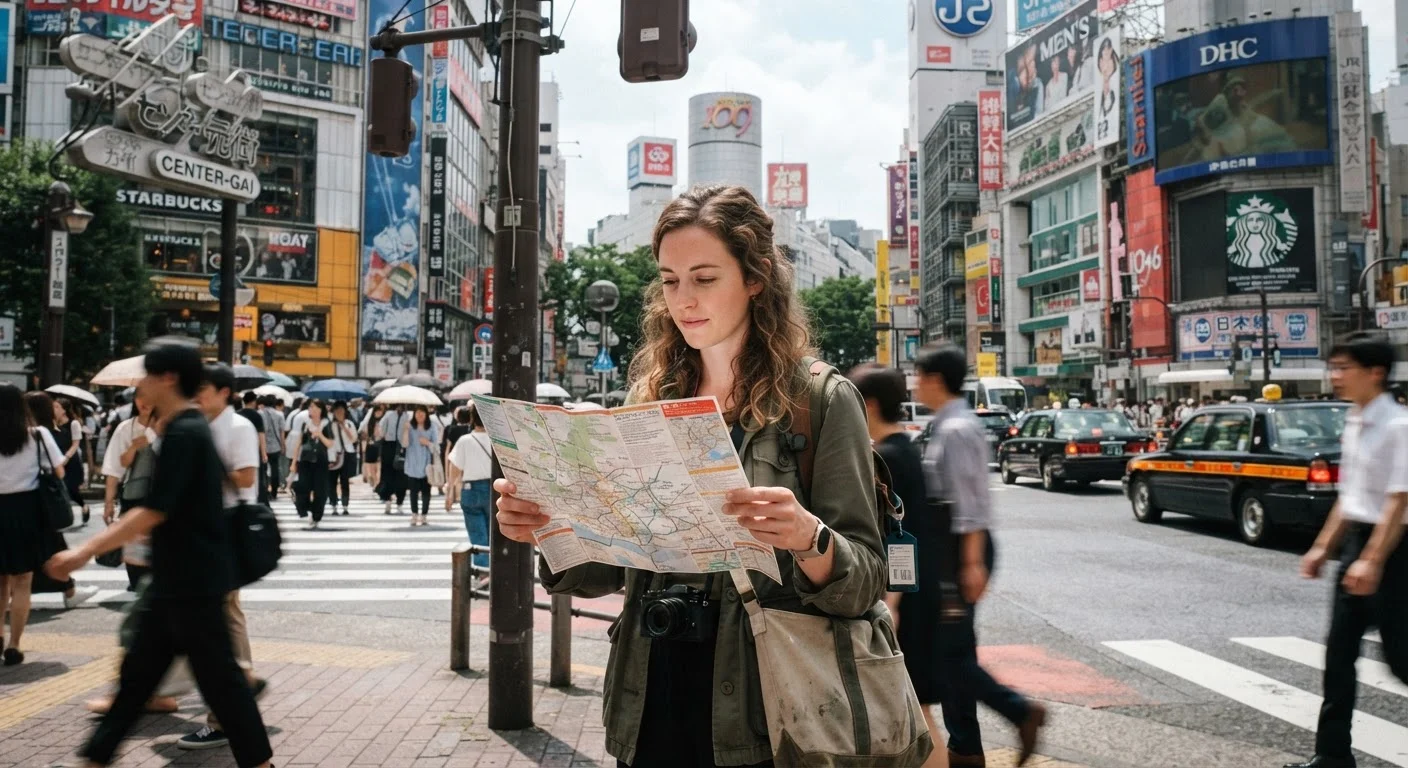
Key Takeaways
- Register with your country's embassy before departure so officials can reach you in an emergency.
- Distribute copies of key documents across multiple bags and secure cloud storage.
- Situational awareness — knowing who and what is around you — is your most portable safety tool.
- Avoid displaying expensive electronics, jewellery, or large amounts of cash in public.
- Research destination-specific risks using official government travel advisories before you go.
Why Preparation Is Your First Line of Defence
Personal safety abroad starts long before you board a flight. Travellers who invest a few hours in pre-departure research arrive with realistic expectations, know which areas carry elevated risk, and have contingency plans ready if something goes wrong.
Begin with your government's official travel advisory for each destination. In the United States, the State Department publishes tiered advisories at travel.state.gov, rating countries from Level 1 (exercise normal precautions) to Level 4 (do not travel). These advisories are updated regularly and cover crime, civil unrest, health hazards, and entry restrictions. Cross-check with the advisories of other English-speaking governments — the UK's Foreign, Commonwealth & Development Office and Canada's Travel.gc.ca are useful supplementary sources. For a deeper look at how to evaluate destination information critically, see researching a destination responsibly.
Equally important: enroll in the Smart Traveler Enrollment Program (STEP) if you are a U.S. citizen. This free State Department service registers your trip so the nearest embassy can contact you during a natural disaster, civil unrest, or family emergency. Equivalent programs exist for citizens of other countries.
Travel Insurance: Worth Understanding Before You Need It
Travel insurance can cover medical evacuation, trip cancellation, and lost luggage — situations that can be financially significant abroad. Policies vary widely in what they include, so review any policy's terms carefully before purchasing. This is general information; consult the policy documents and, for health-related questions, a qualified professional.
Protecting Your Documents and Valuables
Lost or stolen travel documents can derail an entire trip. Before departure, make two physical copies of your passport, visa, travel insurance policy, and any critical prescriptions. Keep one copy in a separate bag from the originals, and store scanned versions in a secure, password-protected cloud service or email them to yourself.
For full guidance on which documents to carry and how to organise them, see travel document essentials.
When carrying valuables in the field:
- Use a concealed money belt or neck pouch for your passport and reserve cash, worn under clothing.
- Carry only the cash and cards you expect to need for the day — leave extras locked in your accommodation safe.
- Be mindful of which card you use and where; managing money internationally covers card fees and safer payment practices abroad.
- Avoid using your phone conspicuously in crowded or unfamiliar areas, where grab-and-run theft is more common.
Building Situational Awareness on the Ground
Situational awareness simply means paying deliberate attention to your environment — who is nearby, what is happening, and whether anything feels out of place. It is not about being anxious; it is about being present and informed.
A few practical habits help significantly. Learn a handful of phrases in the local language — including how to ask for help or directions — so you can communicate in a pinch. Identify the nearest embassy, police station, and hospital upon arriving in each city. When using rideshare apps, verify the driver's name, licence plate, and photo before getting in.
If you are new to planning international travel, planning your first international trip offers a thorough ground-up overview that complements the safety steps covered here.
Save Emergency Numbers Before You Arrive
Every country has its own emergency number — it is not always 911. Before landing, look up the local police, ambulance, and fire numbers for each destination and save them in your phone. The international emergency number 112 works in many countries, but local numbers may reach responders faster.
Staying Safe in Accommodation and Transit
Hotels, hostels, and rental properties each carry different security considerations. In any accommodation, use the in-room safe for passports and backup cards, engage the door's deadbolt and security chain, and verify that balcony or ground-floor doors lock securely before sleeping.
In transit — airports, train stations, bus terminals — be especially alert during the disorienting moments of arrival, when travellers are tired, loaded with luggage, and unfamiliar with the layout. Pickpockets are well aware of this vulnerability. Keep bags in front of you in crowds, avoid placing items on the floor, and be cautious of unsolicited help with luggage or directions.
~2,500
U.S. citizens arrested or detained abroad annually
The U.S. State Department assists approximately 2,500 American citizens with arrests or detentions overseas each year, underscoring the importance of understanding local laws before travel.
Top risk
Petty theft and pickpocketing at transit hubs
Airports, train stations, and busy tourist areas consistently rank as the highest-risk locations for theft in global traveller safety reports from organisations such as the Association of British Insurers.
Before your departure date, consult the pre-departure checklist to confirm that safety-related preparation — including insurance, emergency contacts, and medical considerations — is complete.
This article provides general travel safety information for educational purposes. Conditions abroad can change rapidly; always verify current advisories and entry requirements with official government sources before travelling. For health-related travel concerns, consult a qualified healthcare professional.