

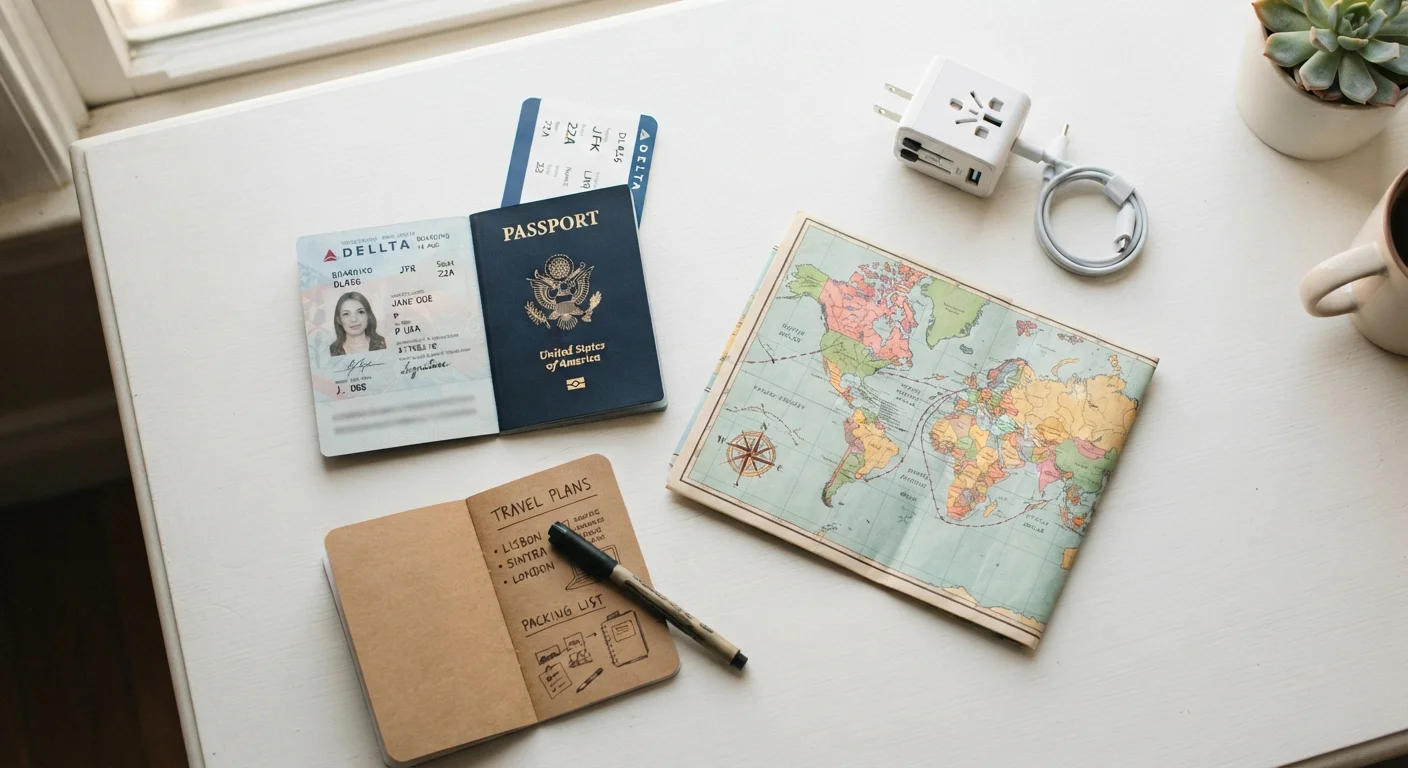
Key Takeaways
- Verify visa requirements and passport validity well before your departure date — some countries require six months of remaining validity.
- Check official government travel advisories for your destination and note any safety or entry restrictions.
- Confirm required or recommended vaccinations with a healthcare provider at least 4–6 weeks before travel.
- Notify your bank of international travel to avoid cards being blocked when you need them most.
- Research local laws — behaviors legal at home may carry serious penalties abroad.
- Make digital and physical copies of all critical documents before you leave.
Summary
22 items · 45–90 minutes
Why a Pre-Departure Checklist Matters
International travel rewards preparation. A missed visa requirement, an expired passport, or a forgotten vaccination record can derail an entire trip before it begins — sometimes at the boarding gate, sometimes at a foreign border. Unlike a domestic journey, where a forgotten item is usually fixable, gaps in your international prep can mean denied entry, unexpected medical costs, or legal trouble in an unfamiliar place.
This checklist is designed for travelers heading to a country they haven't visited before. It covers the documentation, health preparation, financial logistics, and cultural awareness steps that experienced travelers treat as non-negotiable. Work through it systematically in the weeks before departure, not the night before your flight.
If you're planning a road trip portion of your journey as well, the pre-departure vehicle checklist covers the mechanical side of things. For a broader overview of international travel fundamentals, see our guide to planning your first international trip.
Documents and Entry Requirements
Health and Vaccinations
Money and Banking
Local Laws, Culture, and Safety
What You'll Need to Work Through This List
Most items on this checklist require only time and internet access, but a few call for physical documents or appointments. Having these tools and resources ready makes the process faster and ensures nothing slips through.
Government travel advisory website
Check official safety advisories, entry requirements, and visa information for your destination — such as travel.state.gov for U.S. travelers.
Travel health clinic or primary care provider
Assess vaccination needs, obtain prescriptions, and get destination-specific health advice before departure.
Travel insurance policy documents
Confirm medical, cancellation, and evacuation coverage before finalizing your travel plans.
Secure cloud storage account
Store digital copies of your passport, visa, insurance, and itinerary in an accessible, encrypted location.
International Certificate of Vaccination (yellow card)
Proof of vaccination required for entry into certain countries, particularly for yellow fever.
Foreign currency or travel-ready debit card
Cover immediate cash expenses on arrival and reduce international transaction fees during your trip.
Don't Rely on Airline or Hotel for Entry Info
Airlines will board you as long as your ticket is valid — they are not responsible for verifying that you meet the destination country's entry requirements. Visa rules, vaccination proof requirements, and passport validity minimums are set by individual governments and can change with little notice. Always verify entry requirements directly through official government sources before your departure date, not third-party travel sites.
Some Medications Are Banned or Controlled Abroad
Prescription and over-the-counter medications that are legal in the U.S. may be classified as controlled substances or be entirely prohibited in other countries. Carrying them without proper documentation — or at all — can result in serious legal consequences. Research your specific medications and destination before you pack, and consult your doctor about documentation requirements.
Health, Medications, and Safety Preparation
Health preparation is one of the most time-sensitive parts of international travel. Some vaccines require multiple doses spaced weeks apart, and certain destinations have entry requirements tied to vaccination proof. Visit a travel health clinic or your primary care provider as early as possible — ideally 4–6 weeks before departure — to discuss your specific destination and health history.
If you carry prescription medications, verify that they are legal in your destination country and carry documentation from your prescribing physician. Our detailed guide on travelling with medications covers border regulations, documentation, and storage considerations in full.
Verify Everything Through Official Sources
Visa rules, vaccination requirements, and local laws can change without warning. Information found on travel blogs, booking platforms, or third-party sites may be outdated or inaccurate. Before every international trip, verify entry requirements directly through the official government immigration website of your destination country and your own government's travel advisory service. These are the only authoritative sources.
For a complete pre-departure audit that also covers home security and digital backups, see the pre-departure checklist every traveler should run through. More travel preparation tips are collected in our Travel Tips hub.
This article provides general travel information for educational purposes only. It is not a substitute for official government guidance, medical advice, or legal counsel. Always verify entry requirements, health recommendations, and local laws through official sources before traveling.