

Key Takeaways
- Raised beds warm up faster in spring, allowing earlier planting in cooler climates.
- In-ground planting costs less to establish and suits larger growing areas naturally.
- Raised beds let you customize soil mix, bypassing poor native ground conditions.
- In-ground gardens rely heavily on existing soil health, which requires testing and amending.
- Raised beds drain better but may need more frequent watering in dry conditions.
- Your yard's size, soil quality, and budget are the key factors guiding the decision.
Option A
Raised Beds
The controlled, accessible growing environment.
Best for: Gardeners with poor native soil, limited mobility, or compact outdoor spaces who want defined growing areas.
Option B
In-Ground Planting
The traditional, large-scale growing approach.
Best for: Homeowners with healthy, workable soil and room to grow a wider variety of crops across a larger footprint.
If your native soil is compacted, rocky, or contaminated
Raised Beds
Raised beds let you fill with a custom soil blend, completely sidestepping poor ground conditions without expensive remediation.
If you want to grow crops across a large yard on a modest budget
In-Ground Planting
In-ground growing has virtually no startup cost if your soil is already workable, making it far more economical at scale.
If you have back or knee problems or limited mobility
Raised Beds
A raised bed at the right height reduces the need to kneel or bend, making gardening more comfortable and sustainable long-term.
If you want to grow deep-rooted crops like corn, pumpkins, or melons
In-Ground Planting
In-ground plots offer unrestricted root depth and horizontal spread that most raised beds simply cannot match.
If you're gardening in a small urban or suburban yard
Raised Beds
Raised beds make efficient use of tight spaces, define growing zones cleanly, and can even be sited on patios or over hardscaping.
What Sets These Two Approaches Apart
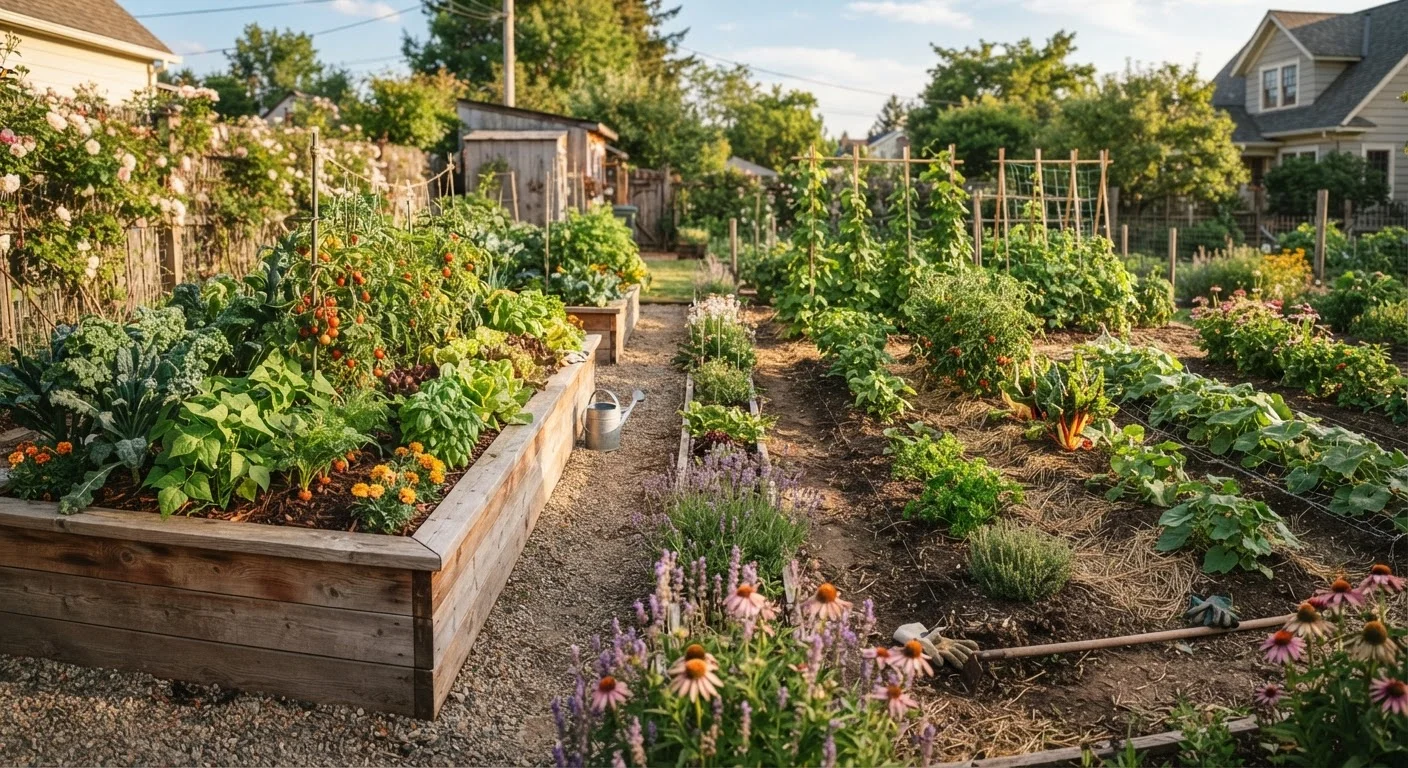
Raised beds and in-ground planting are both time-tested methods for growing vegetables, herbs, and flowers — but they operate on fundamentally different principles. A raised bed is a constructed frame, typically 6 to 12 inches deep, filled with imported soil placed on top of or just above the native ground. In-ground planting means working directly with the earth you already have, amending it as needed.
The distinction matters because each method has its own relationship with soil, water, temperature, and labor. Understanding that relationship — rather than defaulting to whichever looks prettier on social media — is what leads to a productive garden. See our step-by-step guide to starting a vegetable garden for more on laying the right groundwork before you commit to either method.
| Criterion | Raised Beds | In-Ground Planting |
|---|---|---|
| Startup Cost | Moderate to high (materials + soil) | Low (amend existing soil) |
| Soil Control | Full — import custom blend | Limited — work with native soil |
| Spring Warmup | Faster — earlier planting window | Slower — soil takes longer to warm |
| Drainage | Excellent — may dry out quickly | Variable — depends on soil type |
| Weed Pressure | Lower initially | Higher — existing seed bank |
| Root Depth | Limited by frame depth | Unrestricted |
| Accessibility | High — adjustable height | Lower — requires kneeling or bending |
| Scalability | Moderate — cost increases with size | High — expands easily |
The Case for Raised Beds
Raised beds offer one very compelling advantage: you control the soil entirely. If your yard has clay-heavy, rocky, or even potentially contaminated ground — a real concern in older urban neighborhoods — a raised bed lets you start fresh with a custom blend of topsoil, compost, and other amendments.
Because the soil in a raised bed is not compacted by foot traffic, it stays loose and well-aerated, which roots love. Raised beds also warm up faster in spring because the surrounding air heats the soil from multiple sides, often allowing you to plant two to three weeks earlier than neighboring in-ground plots in cooler climates.
Drainage is generally better in raised beds, which reduces the risk of waterlogging — though this same characteristic means the beds can dry out faster during hot spells and may need more attentive watering. Weeds are typically easier to manage since you're starting with clean, imported soil, and access to plants is more ergonomic. If mobility or back strain is a concern, a raised bed built at 24 to 30 inches tall removes the need to kneel altogether.
6–8 in.
Minimum raised bed depth for most vegetables
University extension guidelines generally recommend at least 6 inches of growing medium for shallow-rooted crops, with 12 inches preferred for root vegetables.
2–3 weeks
Earlier planting enabled by raised bed warmth
Raised bed soil can warm up noticeably faster than in-ground soil in spring, particularly in USDA hardiness zones 5 and below.
~$100–$300
Typical cost to build one 4×8 ft raised bed
Material and soil costs vary widely by region and choice of frame material; this range reflects common DIY estimates for basic wooden or galvanized frames.
The Case for In-Ground Planting
In-ground gardening's biggest asset is its low barrier to entry. If you have a sunny patch of reasonably healthy soil, you can start growing without purchasing lumber, galvanized steel, or bags of imported growing mix. At garden scale — think entire rows of tomatoes, squash, or corn — the cost difference becomes very significant.
In-ground plots also support a wider range of crops without constraint. Deep-rooted vegetables like parsnips and winter squash, as well as sprawling plants like pumpkins and watermelons, thrive when roots can travel freely downward and outward without hitting a frame wall. The native soil ecosystem — earthworms, beneficial fungi, microorganisms — is also already established and can be a genuine asset once the soil is properly nourished.
The main challenge is that in-ground success is tightly tied to soil quality. A soil test from your local cooperative extension service is a wise first step; it reveals pH, nutrient levels, and organic matter content, pointing you toward exactly which amendments are needed. Common gardening advice often oversimplifies soil prep, so relying on tested data rather than folklore pays off.
Get a Soil Test Before You Dig
Before committing to in-ground planting, a basic soil test is one of the most useful steps you can take. Most US cooperative extension services offer testing for a modest fee, and results will tell you pH, nutrient levels, and organic matter content. This removes guesswork from soil amendment and prevents wasted effort on products your soil doesn't need.
Making the Choice for Your Space
Neither method is universally superior. The right choice follows from honest assessment of four variables: your soil, your budget, your physical needs, and the crops you want to grow.
If your yard is large, your soil is workable, and you want to grow a broad variety of crops inexpensively, in-ground planting is the practical default. If your soil is poor, your space is compact, or you want clean, defined growing zones, raised beds justify their upfront cost quickly. Many experienced gardeners use both — raised beds for salad greens, herbs, and root vegetables, and in-ground space for sprawling or deep-rooted crops.
It's also worth considering a third option for very tight spaces: container gardening can work alongside either method for herbs, peppers, and compact greens when ground space is truly limited. And if you're choosing what to grow regardless of method, plants that earn their place in small gardens offers guidance on selecting productive, space-efficient varieties.
Whatever method you choose, consistent soil care — compost, mulch, and avoiding compaction — is what sustains a productive garden season after season.