

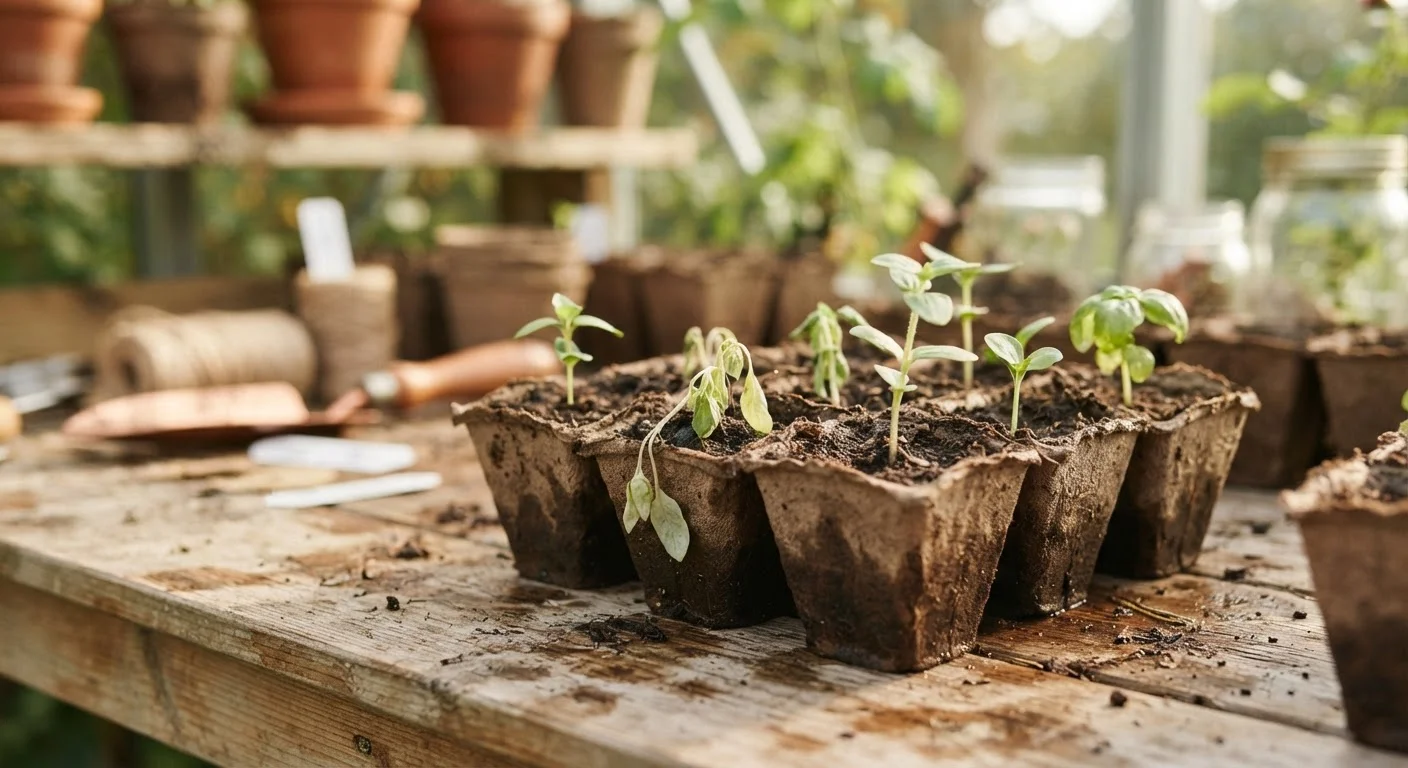
Key Takeaways
- Overwatering is the single most common cause of seedling death — soggy roots cannot absorb oxygen.
- Insufficient light causes leggy, weak stems that collapse before transplanting.
- Skipping hardening off shocks seedlings and often kills them within days of going outside.
- Sowing too deep prevents seedlings from pushing through soil before their energy runs out.
- Starting too early indoors leads to overgrown, root-bound seedlings with poor transplant survival.
Why Seedlings Struggle More Than You'd Expect
Growing plants from seed is one of the most rewarding parts of gardening — and one of the most humbling. Even gardeners who have been at it for years still lose seedlings to problems that, once understood, are almost entirely preventable. The frustration is real, but the causes are predictable.
Most seedling failures trace back to a handful of mistakes made in the first few weeks: too much water, too little light, soil that isn't right for the job, or a rushed transition to the garden. If you're starting from the very beginning, our guide to starting a vegetable garden from scratch covers the foundational decisions that make everything downstream easier. What follows focuses specifically on what goes wrong after seeds are sown — and how to course-correct.
7–14 days
Recommended hardening-off period before transplanting
University extension services consistently recommend a gradual 1–2 week acclimatization window to reduce transplant shock.
14–16 hrs
Daily light duration seedlings typically need indoors
Most vegetable and herb seedlings require substantially more light than a standard window provides, making supplemental lighting highly beneficial.
The Most Common Seedling Mistakes — and How to Fix Them
These five mistakes account for the vast majority of failed seedlings. Each one is easy to make and, with the right information, equally easy to avoid going forward.
Overwatering seedlings, leaving the growing medium constantly wet.
Why it happens: New gardeners often assume more water means healthier plants. Seedlings look so fragile that it feels right to keep them moist at all times.
Providing too little light, producing tall, spindly stems that cannot support the plant.
Why it happens: A bright windowsill looks adequate, but window glass filters a significant portion of usable light, and winter or north-facing windows rarely deliver enough intensity for strong seedling growth.
Skipping or rushing the hardening-off process before transplanting outdoors.
Why it happens: After weeks of careful indoor growing, it's tempting to move seedlings outside as soon as the weather cooperates. The urgency feels logical, but indoor-grown plants are genuinely unprepared for wind, direct sun, and temperature swings.
Planting seeds too deep, exhausting the seedling's stored energy before it reaches the light.
Why it happens: The instinct to plant deep — borrowing logic from mature plants that need anchoring — doesn't apply to tiny seeds with limited energy reserves.
Starting seeds too early, resulting in overgrown, root-bound seedlings by planting time.
Why it happens: Excitement about the growing season, combined with vague timing advice, leads many gardeners to start seeds weeks before the conditions are right.
Damping Off Is Not Reversible
Damping off — a fungal condition causing seedlings to suddenly collapse at soil level — cannot be treated once it takes hold. Prevention is everything: use sterile seed-starting mix, ensure good airflow, and never let seedlings sit in standing water. If you see it in one tray, isolate it immediately to protect neighboring seedlings.
Good watering habits matter at every stage of plant life, not just for seedlings. Our article on watering your garden effectively explores timing and technique in greater depth across the full growing season.
Setting Seedlings Up to Succeed
The conditions seedlings need are simple — but they're specific. Sterile growing medium, appropriate moisture, strong light, and a gradual introduction to outdoor conditions form the foundation of reliable success. None of these require expensive equipment or a dedicated growing room.
Garden Soil in Seed Trays Causes Problems
Using soil dug from your garden bed in seed trays is a very common mistake. Outdoor soil compacts in containers, drains poorly, and often harbors disease pathogens and weed seeds. Always use a purpose-made, sterile seed-starting mix for the best germination and seedling survival rates.
If you're growing herbs indoors rather than transplanting to a garden bed, the same core principles apply — though the challenges shift slightly. Our piece on growing herbs indoors successfully addresses the specific light and pot-size issues that trip up most indoor herb growers.
Seedlings that make it to the garden strong and well-acclimated are far more likely to establish quickly and produce a meaningful harvest. The investment in getting those first weeks right pays dividends all season long.