

Key Takeaways
- Plant-based eating emphasizes whole plant foods without necessarily eliminating all animal products.
- Careful planning can cover nearly all nutrient needs, though some — like B12 — warrant close attention.
- Variety across food groups is more protective than rigidly avoiding any single food category.
- Small, incremental shifts toward more plant foods tend to be more sustainable than abrupt overhauls.
- Anyone with specific health conditions or dietary needs should consult a registered dietitian before making major changes.
Start here
What 'Plant-Based' Actually Means
Next
Key Nutrients to Pay Attention To
Then
Building Your First Plant-Forward Plate
Watch out for
Common Beginner Pitfalls and How to Sidestep Them
When you're ready
Taking the Next Step
What 'Plant-Based' Actually Means
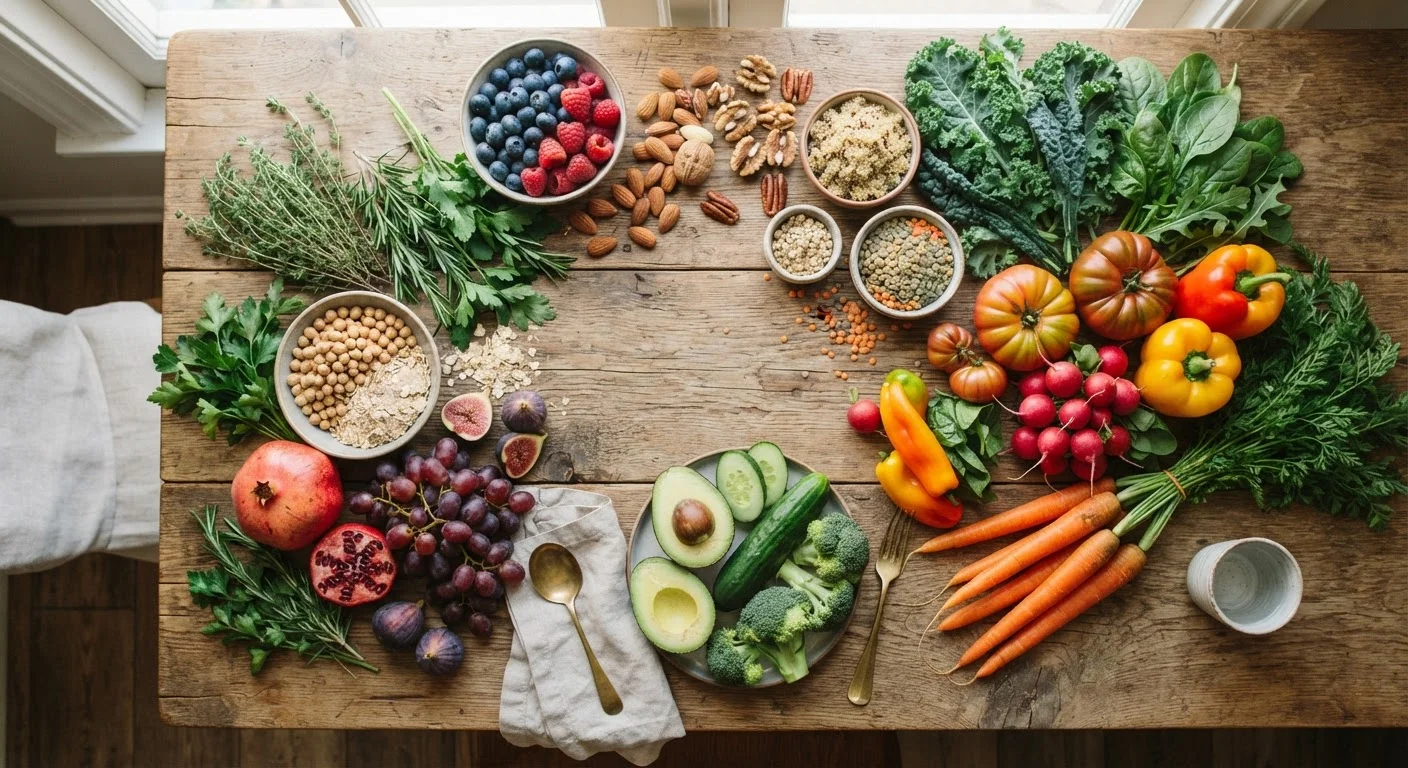
The term plant-based is often used interchangeably with vegan or vegetarian, but it doesn't carry a strict definition. At its core, plant-based eating means centering your diet around foods that come from plants — vegetables, fruits, whole grains, legumes, nuts, and seeds — while reducing reliance on animal products. It does not necessarily mean eliminating them entirely.
This flexibility is intentional and supported by nutrition research. Dietary patterns like the Mediterranean and DASH diets, both well-studied for health outcomes, are largely plant-based yet include fish, dairy, or eggs in modest amounts. What matters most is the overall pattern — eating a wide variety of whole plant foods consistently — rather than achieving categorical purity.
Plant-based diet
An eating pattern centered on foods derived from plants — vegetables, fruits, grains, legumes, nuts, and seeds — while minimizing or excluding animal products.
Whole foods
Foods that are minimally processed and close to their natural state, such as brown rice, fresh vegetables, and dried beans, as opposed to highly refined or packaged products.
Complete protein
A protein source that contains all nine essential amino acids the body cannot make on its own. Most animal proteins are complete; plant proteins can be combined across the day to achieve this.
Bioavailability
How much of a nutrient the body can actually absorb and use from a food source, which can vary depending on the food's form and what it's eaten alongside.
Vitamin B12
A nutrient essential for nerve function and red blood cell production that is found almost exclusively in animal-sourced foods, making it a key consideration for plant-based eaters.
Legumes
A broad family of plants whose seeds are eaten as food, including beans, lentils, chickpeas, and peas — among the most protein- and fibre-rich plant foods available.
Key Nutrients to Pay Attention To
A well-planned plant-based diet can meet nearly all nutritional needs, but a few nutrients deserve deliberate attention, particularly for those reducing or eliminating animal foods.
- Vitamin B12: Found almost exclusively in animal products, B12 is non-negotiable for nerve and blood cell health. Those eating predominantly plant-based typically need a supplement or fortified foods. Speak with a healthcare provider about appropriate options.
- Iron: Plant foods contain non-heme iron, which is absorbed less readily than the heme iron in meat. Pairing iron-rich foods (lentils, spinach, tofu) with vitamin C sources improves absorption.
- Calcium: Leafy greens, fortified plant milks, and tofu set with calcium sulfate are useful sources. Variety matters more than chasing a single food.
- Omega-3 fatty acids: Walnuts, flaxseeds, and chia seeds provide ALA, a plant-form omega-3. Conversion to the EPA and DHA forms the body uses most efficiently is limited, so algae-based DHA supplements are worth discussing with a dietitian.
- Vitamin D and iodine may also need consideration depending on sun exposure and which foods you eat regularly.
For a thorough look at how plant and animal proteins compare, including bioavailability and amino acid completeness, our dedicated guide covers the evidence in detail.
A Note on Special Populations
Children, pregnant or breastfeeding individuals, older adults, and people managing chronic health conditions have distinct nutritional needs that a general guide cannot fully address. If you fall into any of these groups, please consult a registered dietitian before making significant dietary changes.
Building Your First Plant-Forward Plate
A practical way to start is to think visually. Aim for roughly half your plate to be vegetables and fruits, a quarter whole grains, and a quarter protein-rich plant foods like legumes or tofu. This mirrors the proportions explored in depth in our guide to balanced plate principles.
A few reliable combinations to build from:
- Brown rice or quinoa with roasted vegetables and seasoned chickpeas
- Lentil soup with whole grain bread and a leafy side salad
- Oat porridge topped with mixed berries, ground flaxseed, and a handful of nuts
Dietary fibre — abundant in whole plant foods — supports digestive health and satiety. Most people eating a standard Western diet fall short of recommended intakes, and shifting toward more plant foods is one of the most reliable ways to close that gap.
Build a Habit, Not a Rule
Rather than committing to a rigid label like 'vegan' or 'vegetarian', focus on consistently including more whole plant foods at each meal. Progress built on flexibility tends to be far more durable than change driven by restriction.
Common Beginner Pitfalls and How to Sidestep Them
Enthusiasm for plant-based eating can sometimes lead to a few predictable missteps. Being aware of them early saves frustration later.
Don't Assume 'Plant-Based' Means Healthy
Many packaged foods are marketed as plant-based while being highly processed, high in sodium, and low in nutritional value. Heavily processed meat alternatives and snack foods can easily crowd out the whole foods that make plant-forward eating genuinely beneficial. Always check ingredient lists and nutrition labels.
Relying too heavily on one or two foods. Eating only salads and pasta, for instance, will leave protein, fat, and micronutrient needs underserved. Variety across food groups — different grains, rotating legumes, a range of vegetables — is the engine of nutritional adequacy.
Skipping meals or undereating. Whole plant foods tend to be less calorie-dense than animal products. If you're feeling persistently tired or hungry, you may simply need to eat more — particularly of protein- and fat-rich foods like legumes, nuts, and seeds.
Cost concerns are also common. Eating nutritiously on a budget is genuinely achievable with plant foods — dried beans, lentils, oats, and frozen vegetables are among the most affordable items in any grocery store.
Taking the Next Step
Plant-based eating is a direction, not a destination. Most people find that gradual, sustainable shifts — adding a serving of legumes here, replacing a meat-heavy meal there — accumulate into real dietary change over weeks and months without the friction of an overnight overhaul.
Reading food labels critically is a valuable skill as you navigate new products. Our nutrition label guide breaks down exactly what to look for. And if you're interested in growing some of your own produce, starting a vegetable garden from scratch is a natural complement to a plant-forward kitchen.
If you have existing health conditions, are managing a chronic disease, or belong to a population with heightened nutritional needs, working with a registered dietitian is the most reliable way to ensure your dietary approach is both safe and well-suited to your circumstances.
Protein Sources Compared: Animal, Plant, and Everything in Between
A balanced, evidence-informed look at how different protein sources compare in terms of completeness, bioavailability, and everyday practicality — essential reading alongside any plant-based introduction.
Reading a Nutrition Label Without Getting Lost in the Numbers
Understand exactly what food labels are telling you — particularly useful when evaluating packaged plant-based products at the grocery store.
Eating Well on a Budget: Practical Principles for Nutritious Meals
Practical strategies for maintaining a varied, nutritious diet using affordable staples — highly relevant for anyone transitioning toward more plant-based eating.
This article is for general informational and educational purposes only and is not a substitute for professional medical or dietary advice. Always consult a qualified healthcare provider or registered dietitian before making significant changes to your diet.