

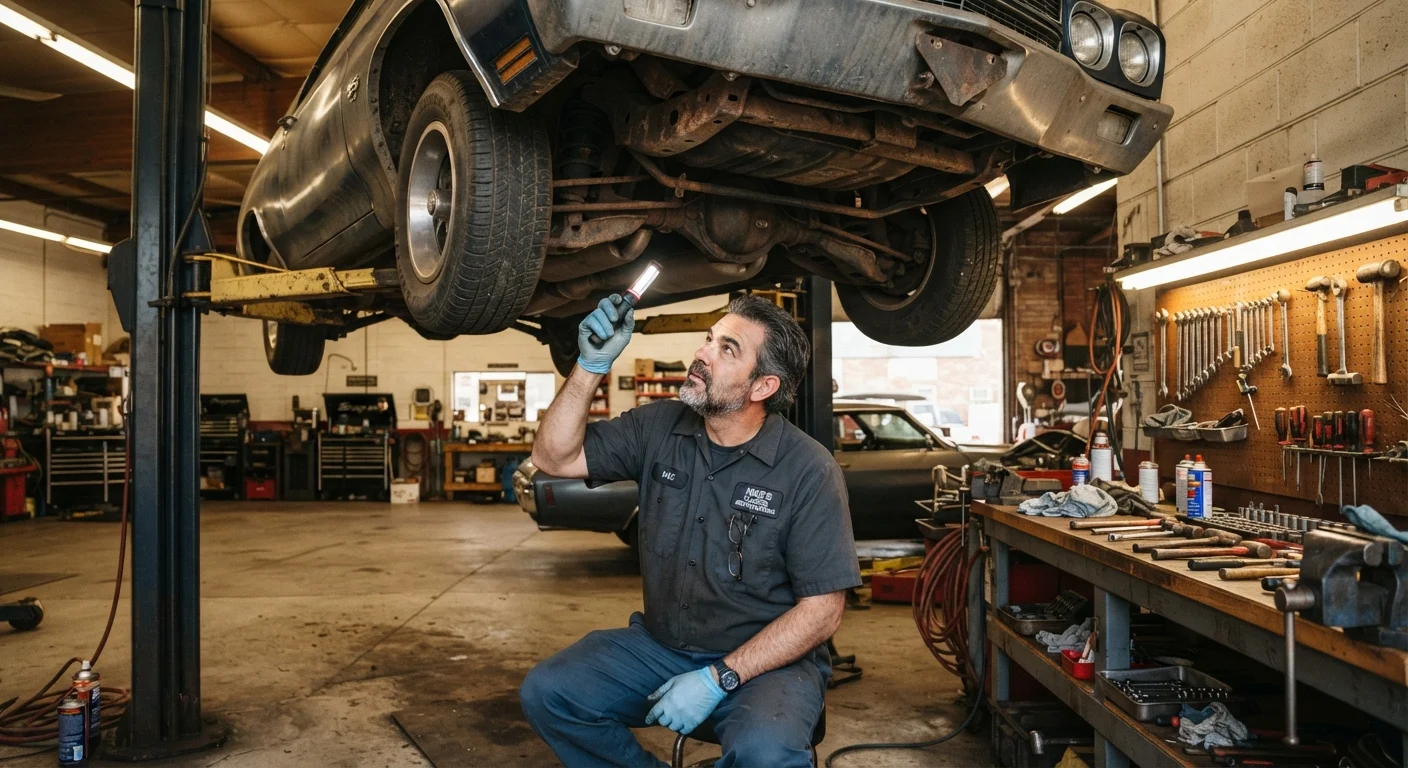
Key Takeaways
- Used cars often arrive with deferred maintenance that the new owner inherits immediately.
- Building a maintenance fund from the start prevents repair costs from becoming financial emergencies.
- Learning to read warning signs early — fluid leaks, unusual sounds, warning lights — saves money long-term.
- Routine intervals for oil, brakes, tires, and coolant are more predictable than most first-timers expect.
- A pre-purchase inspection by an independent mechanic is one of the highest-value steps a buyer can take.
What No One Tells You at the Point of Sale
Buying a used car feels like a victory — and often it is. But the first few months of ownership have a way of surfacing costs and tasks that weren't part of the sales conversation. Most first-time owners underestimate not the price of individual repairs, but the pace at which maintenance demands arrive.
Unlike a new vehicle with a clean service history, a used car may carry deferred maintenance from its previous owner. Worn brake pads, aging coolant, a cabin air filter that's never been changed — these don't announce themselves loudly. They accumulate quietly until they become urgent. Understanding this reality upfront changes how you approach ownership entirely.
For a broader look at how everyday driving choices compound these issues, see how common driving habits accelerate wear.
The Predictable Costs Worth Budgeting For
The good news is that most routine maintenance follows a relatively predictable schedule. Oil changes, tire rotations, brake inspections, and fluid top-offs happen at mileage intervals — not random moments. Once you know your car's service schedule (typically found in the owner's manual), you can plan ahead rather than react.
~$1,200
Average annual car maintenance cost for used vehicles
Industry estimates from AAA suggest used vehicle owners typically spend between $900 and $1,500 per year on routine maintenance and unplanned repairs, depending on vehicle age and mileage.
40%
Used cars sold with deferred maintenance
Automotive inspection services commonly report that a significant portion of used vehicles have at least one overdue maintenance item at the point of resale.
Tires are often the most underestimated line item. A set of four can represent a significant expense, yet many buyers inherit tires that are already half-worn. Measure tread depth early using a simple tread-depth gauge (most auto parts stores carry them). Brakes follow a similar pattern — front brake pads typically wear faster than rear ones and may need replacement sooner than expected on a higher-mileage vehicle.
Budgeting a modest monthly amount specifically for car maintenance — separate from fuel and insurance — helps prevent any single repair from becoming a financial shock. Even setting aside a small fixed amount each month builds a useful cushion over time.
Warning Signs That Deserve Immediate Attention
Dashboard warning lights are not suggestions. A check-engine light can signal anything from a loose gas cap to a misfiring cylinder, but ignoring it risks turning a minor fix into a costly one. Many auto parts retailers will read the diagnostic code for free — this gives you a starting point without committing to a repair bill.
Check-Engine Light: Don't Ignore, Don't Panic
A check-engine light doesn't always mean an expensive repair is imminent. It simply means the car's onboard diagnostics have detected something outside normal parameters. Many auto parts retailers offer free code-reading services that can tell you whether the issue is minor (such as a loose fuel cap) or requires prompt attention. Knowing the code puts you in a better position when speaking with a mechanic.
Fluid leaks are another area where early attention pays off. A small oil drip on your driveway is a symptom, not a cosmetic issue. Coolant (often bright green, orange, or pink) and transmission fluid leaks in particular can lead to serious engine or gearbox damage if left unaddressed. Learn what your car's fluids look like and where they sit on the dipstick or reservoir.
Unusual sounds — grinding during braking, a whining from the power steering, a rhythmic knock under the hood — are the car's way of flagging a system under stress. A qualified mechanic can diagnose these sounds early, before they escalate. For vehicles already carrying significant mileage, targeted high-mileage maintenance becomes especially important.
Building a Maintenance Routine That Sticks
Consistency is the single biggest factor separating vehicles that last from those that don't. Owners who follow a simple maintenance calendar — oil changes on schedule, tire rotations every other oil change, annual brake inspections — almost always spend less over time than those who only react to problems.
Create a Simple Car Maintenance Calendar
Write down your current odometer reading and note when each major service item is next due: oil change, tire rotation, brake inspection, and air filter. Many owner's manuals include a maintenance schedule in the back. Reviewing it once takes fifteen minutes and can save hundreds of dollars by catching items before they become urgent.
Keep a simple log of every service your vehicle receives. Note the date, mileage, and what was done. This record helps you anticipate what's coming due, proves the car's history if you sell it, and gives a mechanic useful context when diagnosing issues. A notes app on your phone works just as well as a paper logbook.
If you're also navigating other major first-time ownership milestones, it's worth noting that the discipline of building a maintenance fund for a car mirrors the kind of financial planning that applies to larger purchases too — as explored in the unexpected costs of homeownership. For everything related to keeping your vehicle running safely, the Car Maintenance hub is a useful ongoing reference.