

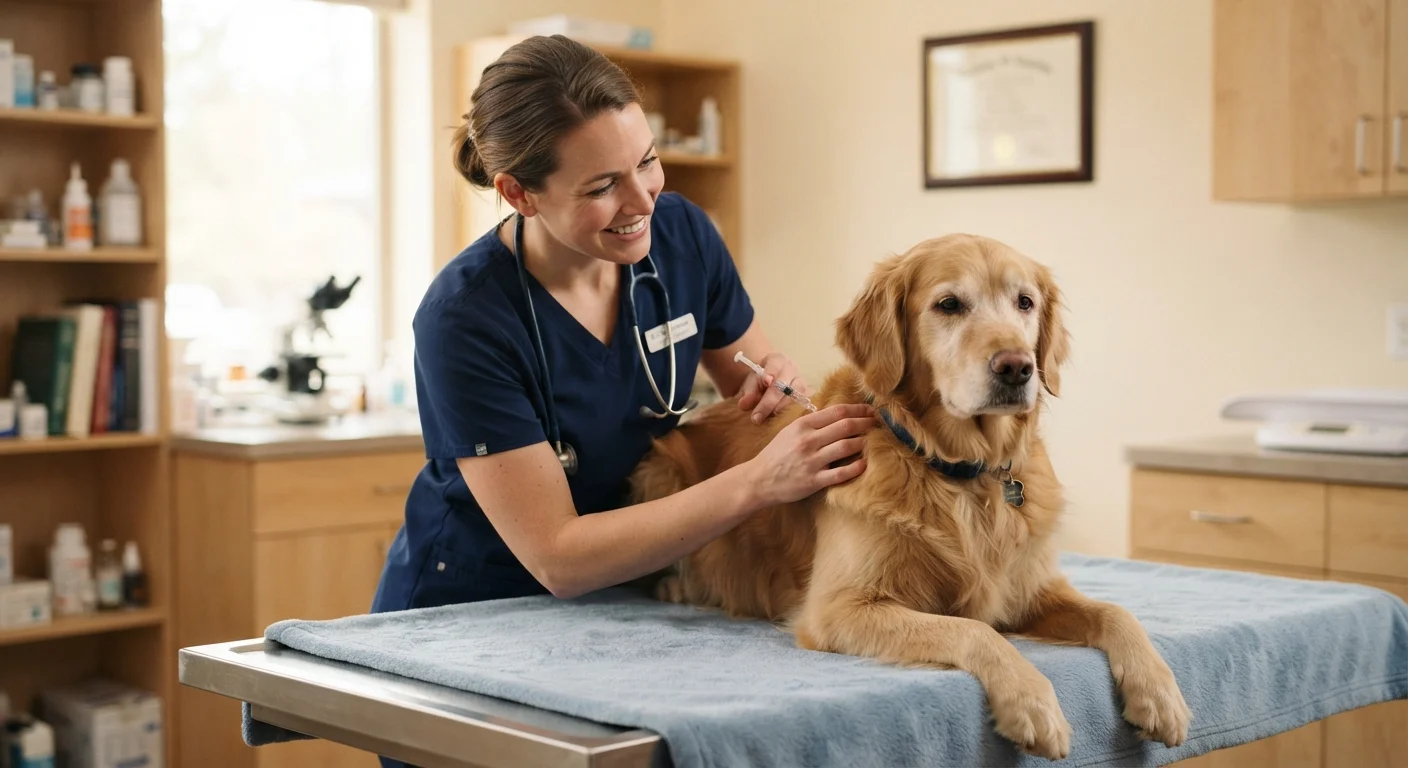
Key Takeaways
- Core vaccines protect against serious, often fatal diseases and are recommended for nearly all pets.
- Titer testing can help assess immunity levels, but it does not replace veterinary vaccination guidance.
- Vaccine reactions are generally mild and short-lived; severe adverse events are rare.
- Immunity from vaccines does not always last a lifetime — schedules are based on scientific evidence.
- Indoor pets still face real disease risks and may require certain vaccines depending on their exposure profile.
Why Vaccine Misinformation Persists in Pet Owner Communities
Concerns about pet vaccines are understandable — owners want to protect their animals from unnecessary harm. But a significant portion of the skepticism circulating on social media and in online forums rests on misunderstood science, anecdotal reports, or human vaccine debates mistakenly applied to veterinary medicine. Understanding what the evidence actually shows helps owners make confident, informed decisions alongside their veterinarians rather than despite them.
Pet vaccination isn't a one-size-fits-all protocol. Veterinary organizations such as the American Animal Hospital Association (AAHA) and the American Association of Feline Practitioners (AAFP) publish evidence-based guidelines that distinguish core vaccines — those recommended for all pets due to disease severity or public health implications — from non-core vaccines — those recommended based on individual lifestyle and risk factors. Understanding this distinction alone resolves many common misconceptions. For a broader look at how routine veterinary care catches problems that reactive visits often miss, see our guide to annual wellness exams.
Myth
Vaccines cause the disease they're meant to prevent.
Fact
Licensed pet vaccines do not contain live, disease-causing pathogens capable of producing full infection in a healthy animal.
Most veterinary vaccines are either killed-pathogen or modified-live formulations. Modified-live vaccines contain a weakened virus that cannot replicate efficiently enough to cause disease in an immunocompetent animal; killed vaccines contain inactivated agents entirely. A small number of pets may show mild, transient symptoms — low-grade lethargy or slight nasal discharge — because the immune system is responding, not because the animal has contracted the disease. This immune response is the intended mechanism, not a malfunction.
Myth
Once vaccinated, a pet is protected for life.
Fact
Vaccine-induced immunity varies by disease, formulation, and individual animal — many require periodic boosters to maintain protective antibody levels.
Research on immunity duration has guided veterinary guidelines toward evidence-based booster intervals rather than uniform annual schedules. For example, the core canine distemper and parvovirus vaccines may confer protection lasting three or more years after the initial series in adult dogs, which is why many veterinarians now recommend triennial boosters for those specific antigens. Other vaccines, particularly those targeting bacterial agents like Bordetella (kennel cough) or Leptospira, generally offer shorter-duration immunity and are boosted more frequently. Your veterinarian tailors intervals to the specific vaccine and your pet's circumstances.
Myth
Indoor pets don't need vaccines because they have no exposure.
Fact
Indoor animals can still encounter pathogens through open windows, other pets entering the home, outdoor clothing and shoes, and wildlife contact.
Rabies vaccination is legally required for cats and dogs in most U.S. states regardless of lifestyle — and for good reason. Bats, a common rabies vector, can enter homes undetected. Panleukopenia (feline distemper) virus is highly stable in the environment and can be tracked indoors on footwear. Core vaccines are recommended based on disease severity, not just exposure probability. Non-core vaccines are then evaluated based on actual risk factors, including whether a seemingly indoor pet ever visits boarding facilities, groomers, or veterinary clinics where exposure increases.
Myth
Titer testing is a reliable substitute for vaccination.
Fact
Titer tests measure circulating antibodies but cannot fully predict protection; they do not replace professional vaccination guidance or satisfy legal rabies requirements.
Serology-based titer tests provide useful information about a pet's immune status and can help veterinarians make more individualized booster decisions — a legitimate application, particularly for animals with prior vaccine reactions. However, a positive titer does not guarantee protection: cellular immunity and immunological memory, which are also critical components of disease defense, are not captured by antibody measurement. Additionally, titer testing does not satisfy rabies vaccination laws in most jurisdictions. Owners interested in titer-based protocols should discuss the evidence and limitations directly with their veterinarian rather than using results to self-determine vaccine exemptions.
Myth
Giving multiple vaccines at once overwhelms a pet's immune system.
Fact
The immune system is capable of mounting responses to many antigens simultaneously; combination vaccines are rigorously tested for safety and efficacy.
Veterinary combination vaccines — such as the canine DHPP (distemper, hepatitis, parvovirus, parainfluenza) — have undergone extensive safety and immunogenicity testing before regulatory approval. The mammalian immune system routinely manages exposure to countless environmental antigens at once; a combination vaccine does not represent an unusual burden. That said, veterinarians do consider factors like a pet's age, size, and health history when scheduling vaccines on the same visit. Some clinics stagger certain vaccines for small-breed dogs, not because of immune system overload, but because smaller animals may have a somewhat higher rate of injection-site reactions. This is a nuanced clinical judgment, not evidence that combination vaccines are inherently harmful.
Reading the Evidence: What Owners Should Actually Watch For
Healthy vaccination responses are generally short-lived: mild soreness at the injection site, brief fatigue, or reduced appetite for 24–48 hours are normal and expected. These are signs that the immune system is doing its job. Persistent symptoms, behavioral changes lasting more than a few days, or anything resembling the disease the vaccine targets warrants a call to your veterinarian — not as evidence that vaccines are harmful, but as a routine part of monitoring your pet's health.
Watch for These Post-Vaccine Signs
Most pets experience only mild, brief soreness or fatigue after vaccination. However, contact your veterinarian promptly if you observe facial swelling, repeated vomiting, difficulty breathing, collapse, or hives within a few hours of any vaccine. These signs may indicate a rare but serious allergic reaction requiring immediate attention.
Vaccine schedules should be revisited at each wellness visit rather than assumed to be static. A puppy or kitten series establishes foundational immunity; adult boosters maintain it; senior pets may benefit from reassessment based on health status and exposure risk. Preventive care decisions — including vaccination — work best as part of an ongoing relationship with a veterinarian who knows your animal. For parallel thinking on how owners can build a more complete picture of preventive health, our overview of pet parasite prevention addresses common knowledge gaps in a similarly evidence-based way.
Vaccination Decisions Require Veterinary Guidance
No single vaccination schedule fits every pet. A veterinarian assesses your animal's age, health status, lifestyle, and geographic risk before recommending a protocol. Skipping or delaying vaccines based on online information rather than professional evaluation can leave animals vulnerable to preventable, sometimes fatal diseases. Always consult your vet before changing your pet's vaccination routine.
This article is for general informational and educational purposes only and is not a substitute for professional veterinary advice. Always consult a licensed veterinarian regarding your pet's health, vaccination schedule, or any medical concerns.