

Key Takeaways
- Annual wellness exams allow vets to detect conditions before obvious symptoms appear.
- Symptom-only visits address specific, immediate concerns but may miss underlying issues.
- Routine exams establish a health baseline that makes future comparisons more meaningful.
- Reactive visits are necessary and appropriate but work best alongside regular preventive care.
- Vets use wellness exams to update vaccines, screen for parasites, and assess organ function.
- Both visit types complement each other — neither alone constitutes a complete care strategy.
Option A
Annual Wellness Exam
The proactive, whole-body health checkpoint.
Best for: Owners who want to catch developing health issues early and maintain a complete, ongoing record of their pet's health.
Option B
Symptom-Only Vet Visit
The targeted, reactive response to visible illness or injury.
Best for: Situations where a pet shows a specific, observable problem that needs prompt professional evaluation.
If your pet appears healthy and has no acute concerns
Annual Wellness Exam
Routine exams catch silent conditions like early kidney disease, dental disease, or weight changes that owners rarely notice at home until they become serious.
If your pet shows sudden changes in behavior, appetite, or physical condition
Symptom-Only Vet Visit
Prompt evaluation of specific symptoms is essential and should not wait for a scheduled annual appointment.
If you have a senior pet (generally 7+ years for dogs, 10+ for cats)
Annual Wellness Exam
Older animals benefit most from regular bloodwork and physical assessments; many vets recommend twice-yearly exams for senior pets.
If you want to reduce long-term veterinary costs
Annual Wellness Exam
Identifying conditions early generally means less complex and less expensive treatment compared to managing advanced disease.
If your pet has a known chronic condition
Annual Wellness Exam
Scheduled monitoring visits allow your vet to track disease progression and adjust management plans over time.
What Each Type of Visit Actually Involves
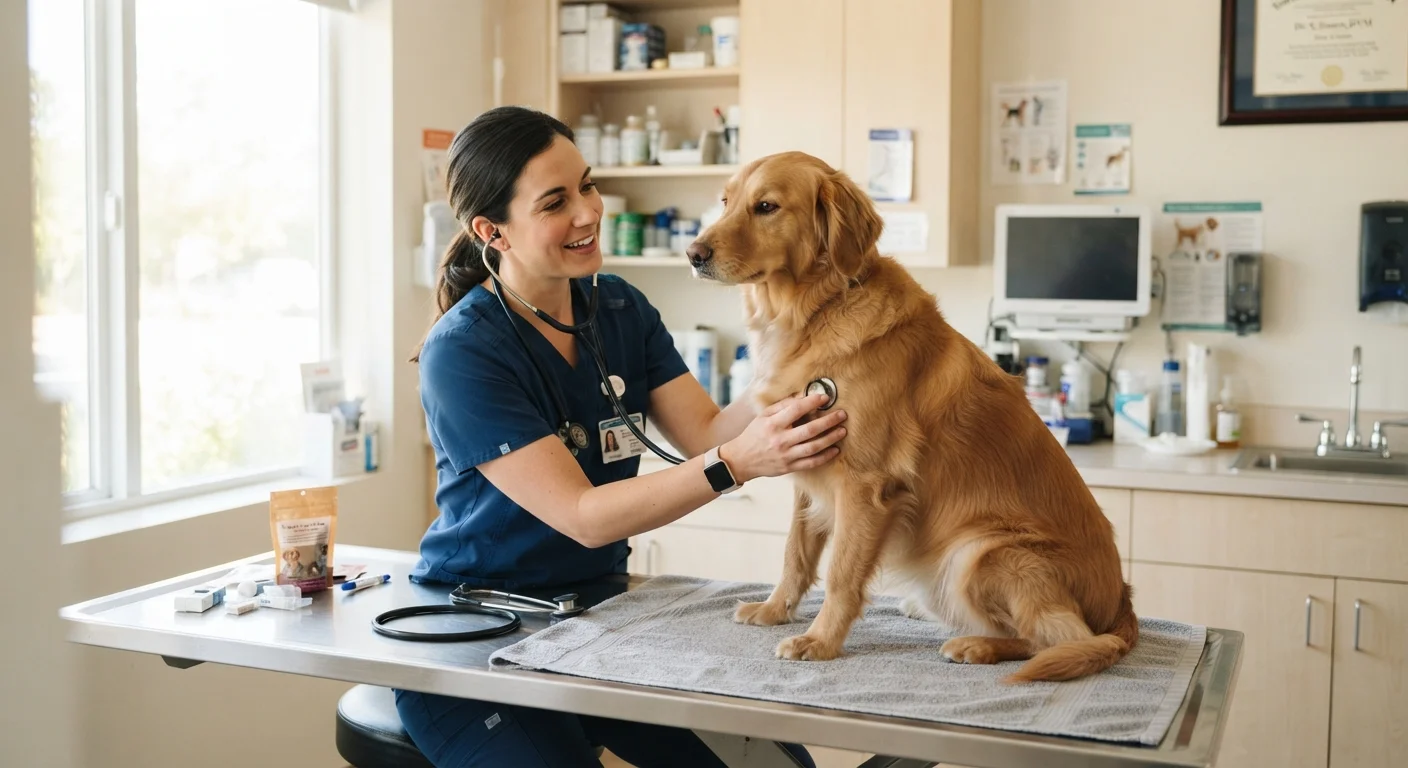
An annual wellness exam is a comprehensive, scheduled evaluation of your pet's overall health — regardless of whether anything seems wrong. The vet conducts a head-to-tail physical assessment covering eyes, ears, teeth, skin, coat, lymph nodes, heart, lungs, abdomen, and musculoskeletal condition. Depending on your pet's age and species, this visit typically includes vaccinations, parasite screening (heartworm, flea/tick, intestinal parasites), and may incorporate bloodwork or urinalysis to check organ function. The goal is to establish and update a running health baseline.
A symptom-only vet visit, by contrast, is triggered by a specific observable problem — vomiting, limping, excessive scratching, sudden lethargy, or any other sign that something may be wrong. The vet focuses their examination on the presenting complaint, running diagnostics targeted at explaining that symptom. This type of visit is reactive by design: it addresses what the owner has noticed rather than screening for what hasn't surfaced yet.
Understanding this difference helps owners recognize that these visits serve genuinely different purposes — one broad and preventive, the other narrow and curative. See our guide to preventive care through every life stage to understand how wellness visit needs shift as your pet ages.
| Criterion | Annual Wellness Exam | Symptom-Only Visit |
|---|---|---|
| Purpose | Broad preventive health screening | Targeted diagnosis of specific concern |
| Scheduling | Planned, typically once or twice yearly | Unplanned, triggered by observable problem |
| Exam scope | Full head-to-tail physical assessment | Focused on presenting symptom |
| Diagnostics | Bloodwork, urinalysis, parasite screens | Tests specific to the complaint |
| Vaccines & preventives | Reviewed and updated as needed | Generally not the primary focus |
| Health baseline | Builds and updates over time | Does not contribute to trend tracking |
| Best suited for | Apparently healthy pets and chronic monitoring | Acute illness, injury, or urgent concern |
What Wellness Exams Catch That Reactive Visits Often Miss
Many serious conditions in pets develop slowly and silently. Dental disease, early kidney dysfunction, heart murmurs, thyroid imbalances, and certain cancers may produce no dramatic symptoms for months or even years. By the time an owner notices something wrong, the condition may have progressed significantly.
During a wellness exam, a veterinarian isn't hunting for one specific problem — they're scanning broadly. A subtle weight loss of one or two pounds in a cat, for instance, can be flagged during a weigh-in even if the owner hasn't noticed. An irregular heart rhythm detected on auscultation (listening with a stethoscope) can prompt an early echocardiogram referral. Bloodwork trends over multiple years can reveal a declining kidney function that still falls within normal ranges but is clearly moving in a concerning direction.
~70%
Dogs over age 3 with dental disease
According to the American Veterinary Medical Association, periodontal disease is among the most common conditions identified during routine oral examinations in adult dogs.
2x/year
Recommended exam frequency for senior pets
Many veterinary guidelines suggest twice-yearly wellness visits for pets considered senior, given the accelerated rate of age-related health changes in animals.
Early detection
Key advantage of routine bloodwork
Conditions such as chronic kidney disease and hyperthyroidism in cats can be identified through bloodwork before clinical signs become apparent to owners.
Symptom-only visits rarely prompt this breadth of assessment. The vet's attention — and the owner's — is focused on the immediate problem. That focus is appropriate and necessary, but it means that coexisting issues may go unexamined. For guidance on recognizing when something needs attention before your next scheduled visit, see our reference on symptoms that generally warrant prompt veterinary attention.
When a Symptom-Only Visit Is the Right Call
Reactive visits are not inferior to wellness exams — they're simply different in scope and intent. When a pet shows signs of acute distress, injury, or sudden illness, waiting for a scheduled annual exam would be inappropriate and potentially harmful. Vomiting that persists beyond 24 hours, difficulty breathing, suspected poisoning, trauma, seizures, or significant behavioral changes all warrant prompt veterinary attention regardless of when the last wellness exam occurred.
Even less urgent but persistent symptoms — a cough that has lasted a week, gradual changes in thirst or urination, or a new lump — are legitimate reasons to schedule an unplanned visit. Owners who know their pet's normal patterns are better positioned to identify meaningful deviations. Our symptom observation checklist can help you document changes clearly before the appointment, making the visit more productive for both you and your vet.
Preparing for Either Type of Visit
Whether attending a wellness exam or a symptom-driven appointment, arriving prepared improves outcomes. Note any behavioral changes, shifts in eating or drinking, new lumps, or changes in coat condition. The Vet Visit Preparation Guide outlines what to observe and what questions to ask before any appointment. Good communication between owner and vet is one of the most powerful tools in animal healthcare.
The most effective approach combines both visit types: routine wellness exams maintain the health baseline and catch silent conditions, while symptom-driven visits address problems as they arise. Neither replaces the other.
This article is for general informational purposes only and does not constitute veterinary medical advice. Always consult a licensed veterinarian for guidance specific to your pet's health needs.