

Key Takeaways
- Dynamic pricing is legal and widely used across travel, retail, and service industries.
- Algorithms — not humans — typically set and adjust prices in real time.
- Your browsing history, location, and device type can all influence the price you see.
- Prices for the same item can differ across browsers, devices, or sessions minutes apart.
- Understanding how dynamic pricing works helps you make smarter, less reactive purchasing decisions.
Dynamic Pricing
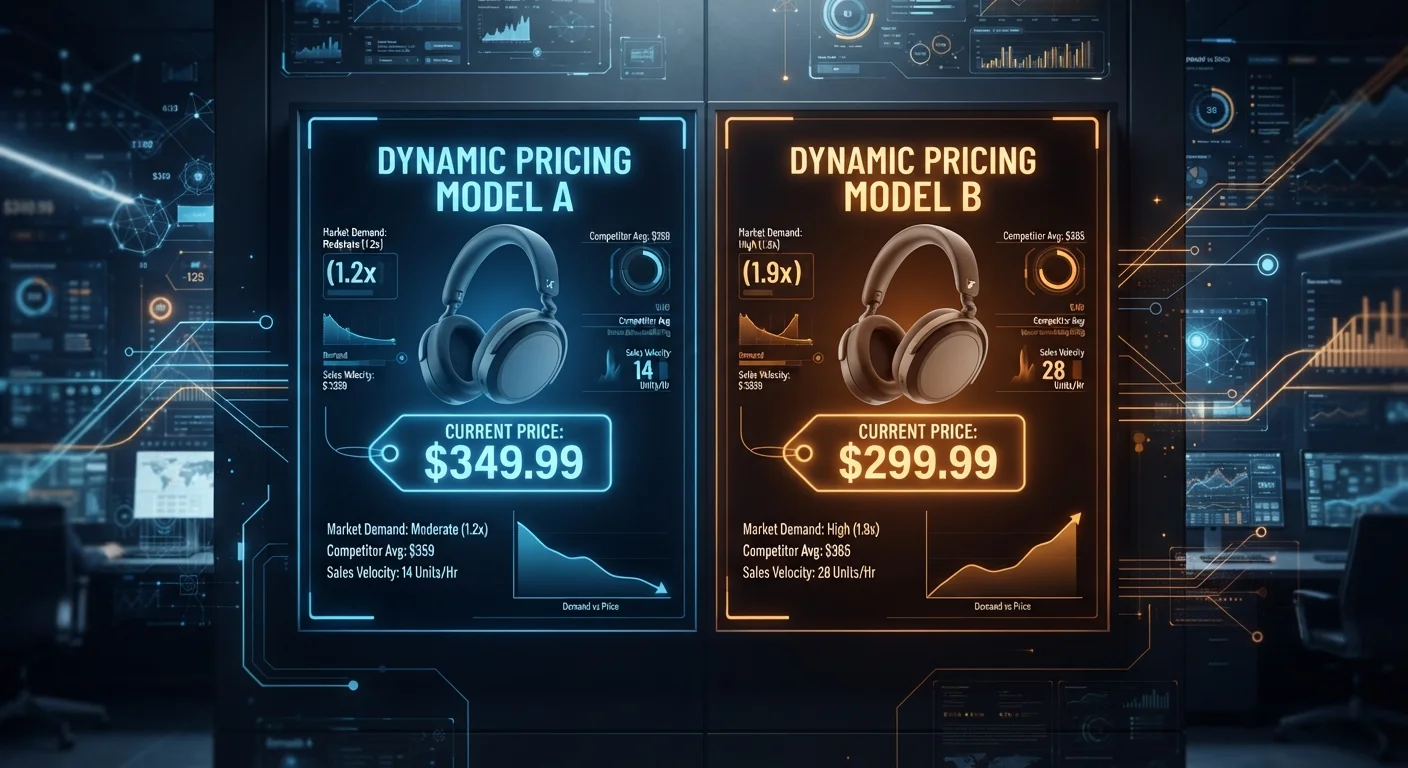
Dynamic pricing is a strategy where sellers automatically adjust the price of a product or service in real time based on factors like demand, time of day, competitor pricing, and individual browsing behaviour. Rather than a fixed price tag, the cost fluctuates continuously — sometimes by the minute. It's common in industries like air travel, hotels, ride-sharing, and online retail.
Prices are typically set by algorithms that process large volumes of real-time data, including inventory levels, user session data, and market signals, without direct human intervention for each individual price change.
How Dynamic Pricing Actually Works
When you search for a flight on a Tuesday afternoon and then return to book it Friday morning, you may find the price has changed — sometimes dramatically. That's dynamic pricing in action. Behind the scenes, sophisticated algorithms continuously monitor supply and demand signals, competitor pricing, booking patterns, and even individual user behaviour to recalculate what price to display at any given moment.
The core logic mirrors basic economics: when demand rises and supply is limited, prices increase. When demand softens, prices may drop. But modern dynamic pricing goes considerably further than simple supply-and-demand adjustments. Algorithms can process dozens of variables simultaneously — including the time of day, how many users are browsing the same product, regional trends, and inventory levels — recalibrating prices at a speed and scale no human pricing team could match.
Unlike traditional markets where supply and demand shift prices gradually, digital pricing engines can execute hundreds of price changes per day on a single product.
~500M
Daily price changes on a major retail platform
Research published in the Harvard Business Review noted that large e-commerce platforms can execute hundreds of millions of price adjustments in a single day across their product catalogues.
3x
Typical ride-sharing surge pricing multiplier
Ride-sharing platforms publicly disclose surge multipliers during peak demand; fares during high-demand periods commonly reach two to three times base rates, per publicly available platform data.
54%
US consumers who noticed price changes while shopping online
A consumer survey conducted by Deloitte found that more than half of US online shoppers reported observing price fluctuations for items they were actively considering purchasing.
What Data Do Sellers Actually Use?
The inputs that feed into a dynamic pricing algorithm vary by industry, but several factors appear consistently across platforms:
- Search frequency: If a particular route, hotel, or product is searched often in a short window, algorithms may interpret rising demand and push prices up.
- Browsing history and cookies: Returning visitors — especially those who have viewed an item multiple times — may be shown higher prices under some systems, on the assumption that repeat interest signals willingness to pay.
- Device and location: Users on certain devices or in particular geographic areas may see different prices. Some platforms have been found to display higher fares to users on specific operating systems or in affluent zip codes.
- Time to event or delivery: For travel and events, proximity to the date is a strong pricing driver. Last-minute bookings and early-bird windows often reflect calculated demand curves rather than arbitrary discounts.
- Competitor pricing: Retail algorithms frequently scrape competitor sites in real time, adjusting prices to stay within a set range of rival offers.
Understanding these inputs helps explain why the same airline seat can have five different prices across a single afternoon — and why the psychological pull of a suddenly lower price can be a feature of the system rather than a coincidence.
Try Incognito Mode Before Booking
Before purchasing flights, hotels, or high-value items, open a private or incognito browser window and search fresh — without stored cookies or session history. Some platforms use prior browsing signals in their pricing logic, and a clean session may surface a different price. It's not a guaranteed saving, but it takes seconds and costs nothing to try.
Dynamic Pricing Beyond Airlines and Hotels
Most people associate dynamic pricing with air travel and hotel rooms — industries where it has been standard practice for decades. But the model has expanded considerably. Ride-sharing platforms apply "surge pricing" during peak hours, openly communicating that demand levels are affecting cost. Large online retailers quietly adjust prices on millions of products throughout the day, particularly around high-traffic periods like seasonal sales events.
Concert and sporting event ticket platforms have also adopted dynamic pricing, meaning face-value prices listed at the moment tickets go on sale may rise within hours as interest grows. Even some grocery and fuel retailers have begun experimenting with digital shelf labels that can update pricing in response to demand or time of day.
These examples sit on a spectrum: some dynamic pricing is transparent and disclosed upfront, while other implementations are harder for consumers to detect. Being aware that prices are not static — especially for travel-related purchases where additional fees compound the base price — is itself a form of consumer protection.
Shopping Smarter in a World of Shifting Prices
Dynamic pricing isn't going away, but informed shoppers can reduce its impact on their decisions. The most reliable approach is comparison — checking the same product or journey across multiple platforms before committing. Price-tracking tools that log historical data make it easier to assess whether a current price is genuinely within the normal range or inflated by a demand spike.
Private browsing or incognito mode may prevent session-based pricing adjustments in some cases, although this isn't a reliable remedy across all platforms. Booking travel during off-peak demand windows — mid-week searches for flights, for example — is a strategy frequently cited by consumer researchers as potentially useful, though it doesn't guarantee savings.
The deeper principle is to treat urgency with scepticism. A price that seems to be climbing may reflect genuine demand, or it may be an algorithm responding to your own browsing signals. Pausing, comparing, and separating need from manufactured pressure is consistently the most useful habit. Dynamic pricing is one of several variable-cost factors worth understanding — alongside other variable expenses that require flexible budgeting strategies.
Price History Tools Can Help
Several browser extensions and third-party websites track historical price data for common retail and travel platforms. These tools let you see whether today's price is actually lower than usual or whether a supposed "deal" sits at or above the typical price range. Using one before purchasing high-ticket items is a straightforward way to add context to any price you see.