

Key Takeaways
- A home inspection evaluates visible, accessible systems and components — it is not an exhaustive audit.
- Inspectors identify deficiencies but do not determine cost of repairs or predict future failures.
- Common exclusions include pests, mold, underground systems, and behind-wall conditions.
- Buyers can use the report to negotiate repairs, request credits, or make an informed exit.
- Sellers who inspect before listing can address issues proactively and reduce surprises at closing.
- Consulting specialists for flagged concerns is often a worthwhile next step after the general inspection.
Home Inspection
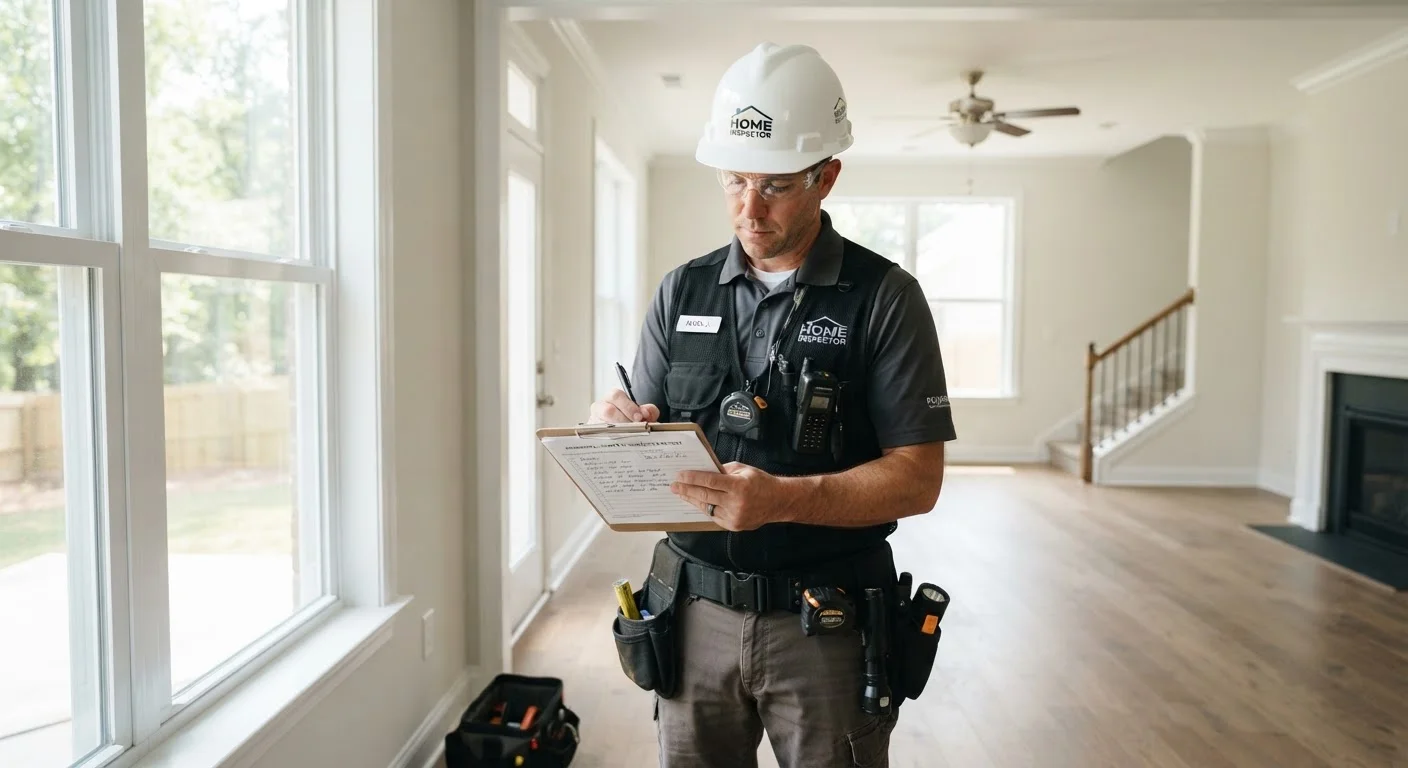
A home inspection is a professional, visual examination of a property's condition conducted by a licensed or certified inspector. The inspector evaluates major systems and structural components — such as the roof, foundation, plumbing, and electrical — and delivers a written report of findings. It is not a pass-or-fail test, but rather an objective snapshot of the home's current condition at the time of the visit.
Home inspectors operate under standards of practice set by professional bodies such as the American Society of Home Inspectors (ASHI) or the International Association of Certified Home Inspectors (InterNACHI), which define minimum scope requirements.
What a Home Inspector Actually Examines
A standard home inspection covers the visible and accessible components of a property's major systems. Inspectors work methodically through the structure, checking what they can see and safely access on the day of the visit.
Typical areas of examination include:
- Roof: Condition of shingles, flashing, gutters, and visible decking
- Foundation and structure: Visible signs of settling, cracking, or moisture intrusion
- Electrical system: Panel condition, wiring types, grounding, and visible outlets
- Plumbing: Pipe materials, water pressure, drainage, and water heater condition
- HVAC: Heating and cooling equipment function and approximate age
- Interior: Walls, ceilings, floors, windows, doors, and stairways
- Attic and insulation: Ventilation and visible insulation levels
- Basement or crawl space: Moisture, framing, and support conditions
The inspector documents conditions in a written report — often with photographs — noting items that are functioning as intended, those in need of repair, and those requiring further evaluation by a specialist. Think of it less as a verdict and more as a thorough status report.
~86%
Home inspections that reveal at least one deficiency
According to data compiled by the American Society of Home Inspectors, the vast majority of inspections identify at least one area requiring attention.
2–4 hrs
Typical duration of a standard home inspection
Most single-family home inspections are completed within this window, though larger or older properties may require more time.
Varies by state
Inspector licensing requirements across the U.S.
Licensing and certification standards for home inspectors differ significantly by state, making it important for buyers to verify credentials locally.
What Falls Outside the Inspection's Scope
Understanding what a general home inspection does not cover is just as important as knowing what it does. Buyers sometimes assume the process is comprehensive in ways it simply cannot be.
Common exclusions include:
- Pests and wood-destroying organisms: Termite or pest inspections are separate services performed by licensed pest control professionals.
- Mold and air quality: Inspectors may flag visible moisture or staining as concerns, but laboratory testing for mold or indoor air quality requires a separate specialist.
- Underground systems: Septic tanks, sewer lines, and underground oil tanks are not part of a standard inspection. Sewer scope inspections exist as a separate service and are worth considering for older homes.
- Behind-wall or concealed conditions: Inspectors cannot open walls, move furniture, or lift installed flooring.
- Swimming pools and outbuildings: These may require add-on services or separate inspectors.
- Environmental hazards: Radon, lead paint, and asbestos testing each require dedicated assessment.
Radon Testing Is Commonly Recommended
Radon — a naturally occurring radioactive gas — is the second leading cause of lung cancer in the United States, according to the EPA. Because it cannot be detected without testing, radon assessment is frequently recommended as a separate add-on, particularly in regions with known elevated levels. Check EPA maps and discuss this with your inspector.
Knowing the gaps is not a reason to distrust the process — it is a reason to ask your inspector which add-on assessments make sense for the specific property you are considering.
How to Use the Inspection Report Strategically
A home inspection report is a negotiating tool as much as it is a condition document. How you use it depends on your situation — whether you are a buyer, seller, or somewhere in between.
For buyers
After receiving the report, work with your real estate agent to identify items that are safety concerns, significant systems nearing end of life, or defects the seller may not have disclosed. You have several options: request that specific repairs be completed before closing, negotiate a price reduction or credit to offset repair costs, or — if findings are severe enough and your contract includes an inspection contingency — exit the transaction.
Not every flagged item warrants negotiation. Inspectors note all observable conditions, including minor maintenance items that are normal in any lived-in home. Distinguishing major deficiencies from routine upkeep is key. See our guide to homeownership surprises for context on what ongoing maintenance looks like once you own.
For sellers
A pre-listing inspection — conducted before putting the home on the market — gives sellers the opportunity to address issues proactively. This can reduce the likelihood of a buyer's inspection derailing a deal later, and may support a stronger listing price by demonstrating transparency.
Attend the Inspection in Person
Being present during the inspection allows you to see conditions firsthand and ask questions as they arise. Reading about a concern in a report is less informative than watching an inspector demonstrate a drainage issue or show you the age markings on a water heater. Most inspectors welcome and expect buyer attendance.
If the inspection flags concerns that involve structural elements, be sure you understand what you may be working with. Our introduction to load-bearing walls is a useful starting point before any conversations about structural repairs or modifications.
When certain deficiencies require permits or licensed trade work to correct, be aware that documentation matters both legally and for future resale. Renovation permits protect all parties when work is done correctly.
Choosing a Qualified Inspector
The value of an inspection depends heavily on the inspector's skill, thoroughness, and adherence to professional standards. Licensing requirements for home inspectors vary by state — some states have rigorous certification requirements, others have minimal regulation.
When evaluating inspectors, consider:
- Membership in recognized professional organizations such as ASHI or InterNACHI, which require adherence to published standards of practice
- Years of experience and number of inspections completed
- Sample reports — a quality inspector should be able to show you what their deliverable looks like
- Clear communication about what is and is not included in their standard scope
- Errors and omissions (E&O) insurance, which provides recourse if a significant defect is missed
“A home inspection is not a guarantee of a defect-free home. It is a professional opinion of the property's condition at a specific point in time, based on what is visible and accessible.”
— American Society of Home Inspectors, Standards of Practice, Scope and Purpose Statement
Avoid selecting an inspector solely on price. A thorough inspection by a qualified professional is a relatively modest cost relative to the transaction it informs — and the findings can have significant financial implications.
This article is for general informational and educational purposes only and does not constitute professional real estate, legal, or financial advice. Consult a qualified real estate professional for guidance specific to your transaction.