

Key Takeaways
- Chronic stress keeps the body's fight-or-flight system active long after immediate threats have passed.
- Elevated cortisol over time can impair memory, weaken immunity, and raise cardiovascular risk.
- The brain physically changes under prolonged stress, particularly in regions governing emotion and decision-making.
- Stress-related physical symptoms — like headaches or digestive issues — are genuine physiological responses, not imagined.
- Recognizing chronic stress early and seeking support can meaningfully reduce its long-term health impact.
Chronic Stress
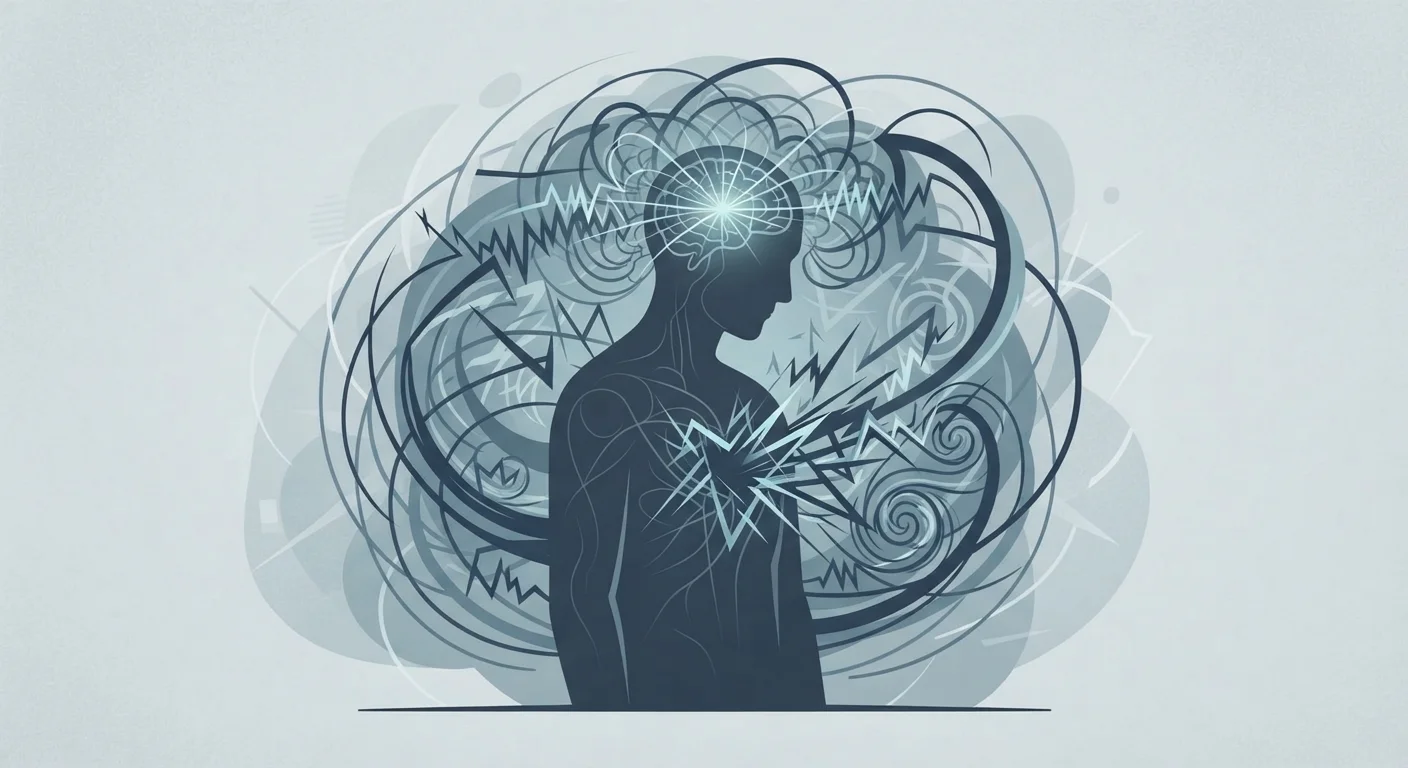
Chronic stress is a state of prolonged psychological and physiological strain that occurs when the body's stress response remains activated over an extended period — weeks, months, or years. Unlike acute stress, which is short-lived and often adaptive, chronic stress keeps the body in a near-constant state of alert. This sustained activation gradually disrupts multiple body systems, affecting everything from heart health to memory to immune function.
At the hormonal level, chronic stress is characterized by persistently elevated cortisol and catecholamines, which over time dysregulate the hypothalamic-pituitary-adrenal (HPA) axis — the central stress-response circuit in the brain and body.
How the Stress Response Was Designed to Work
The human stress response evolved as a survival tool. When the brain perceives a threat — physical danger, conflict, uncertainty — it triggers a cascade of hormones, including adrenaline and cortisol, that prime the body for rapid action. Heart rate rises, muscles tense, digestion slows, and attention sharpens. This is the well-known fight-or-flight response, and in short bursts, it is genuinely protective.
The problem emerges when this system never fully powers down. Modern stressors — financial pressure, job insecurity, relationship conflict, caregiving demands — rarely resolve in minutes. They persist for months or years, keeping the stress system in a state of low-grade continuous activation. That sustained alert is what distinguishes chronic stress from normal, adaptive stress.
Acute Stress vs. Chronic Stress
Not all stress is harmful. Acute stress — the kind triggered by a deadline, a near-miss in traffic, or a difficult conversation — is a normal and often motivating part of life. The concern arises when there is no recovery period between stressors, or when the perceived threat is never resolved. The distinction lies in duration and recovery, not in the intensity of the original stressor.
What Prolonged Stress Does to the Body
When cortisol stays elevated for extended periods, it begins to disrupt systems that depend on stable hormonal signaling. The cardiovascular system is among the most affected: chronic stress is associated with higher blood pressure, increased inflammation in blood vessel walls, and greater risk of heart disease over time. The immune system also takes a hit — while short-term stress can briefly boost immune activity, chronic stress tends to suppress it, leaving the body less equipped to fight infections or recover from illness.
Digestive function is another common casualty. The gut and brain are in constant communication via the enteric nervous system, and prolonged stress can contribute to symptoms like nausea, cramping, irritable bowel, and altered appetite. Sleep disruption is both a symptom and a driver of chronic stress — poor sleep raises cortisol, and elevated cortisol makes restorative sleep harder to achieve.
77%
Adults reporting physical symptoms of stress
According to the American Psychological Association's Stress in America survey, a large majority of U.S. adults report experiencing physical symptoms they link to stress.
2–3×
Increased cardiovascular risk with chronic stress
Research published in peer-reviewed cardiology literature has found that individuals with chronic psychosocial stress face significantly elevated risk of cardiovascular events compared to those with lower stress levels.
~10%
Hippocampal volume reduction in prolonged stress
Neuroimaging studies have observed measurable reductions in hippocampal volume associated with sustained high cortisol exposure, affecting memory and emotional regulation.
For a broader perspective on how the body registers emotional and psychological states, see how physical sensations signal emotional states — tension, shallow breathing, and other somatic signals are often the first indicators that stress has become chronic.
What Chronic Stress Does to the Brain
Neuroimaging research has shown that chronic stress can alter the structure and function of the brain, particularly in three key regions. The hippocampus — critical for memory and learning — can lose volume under prolonged cortisol exposure. The prefrontal cortex, which governs rational decision-making, emotional regulation, and impulse control, becomes less active under chronic stress. Meanwhile, the amygdala — the brain's threat-detection center — can grow more reactive, making it harder to feel calm even in objectively safe situations.
These changes help explain why people under chronic stress often report difficulty concentrating, poor memory, irritability, and a feeling of being constantly on edge. It is not a personal failing — it is biology. The good news is that the brain retains a degree of plasticity throughout life, meaning many of these effects can be partially or fully reversed with appropriate support and intervention.
“The brain is not a fixed organ. It changes in response to experience — including the experience of chronic stress. But that same plasticity means recovery is possible when the conditions that support it are in place.”
— Robert Sapolsky, Neuroendocrinologist and author of 'Why Zebras Don't Get Ulcers'
The Mental and Emotional Toll
Beyond its neurological effects, chronic stress takes a recognizable toll on emotional well-being. Persistent low mood, emotional exhaustion, withdrawal from social connection, and a reduced sense of meaning or enjoyment are all common experiences. These overlap significantly with symptoms of depression and anxiety — which is partly why chronic stress is considered a significant risk factor for both conditions.
It is worth noting that stress and anxiety, while related, are distinct. Common misconceptions about anxiety can make it harder for people to recognize when their experience has moved beyond typical stress into something that warrants clinical attention. Understanding that distinction matters.
For those seeking practical tools, evidence-based approaches like deep breathing and progressive muscle relaxation have documented physiological effects on the stress response and are accessible starting points for many people.
Recognizing Chronic Stress Early Matters
Many people normalize chronic stress because it develops gradually. Pay attention to patterns — persistent sleep disruption, recurring physical complaints, or a sustained low mood — rather than isolated bad days. Tracking how you feel over weeks can help you and a healthcare provider identify when stress has moved from manageable to harmful. Early intervention is consistently more effective than waiting for a crisis point.
This article is for general informational and educational purposes only and does not constitute medical or mental health advice. If you are experiencing symptoms you believe may be related to chronic stress, please consult a qualified healthcare or mental health professional.