

Key Takeaways
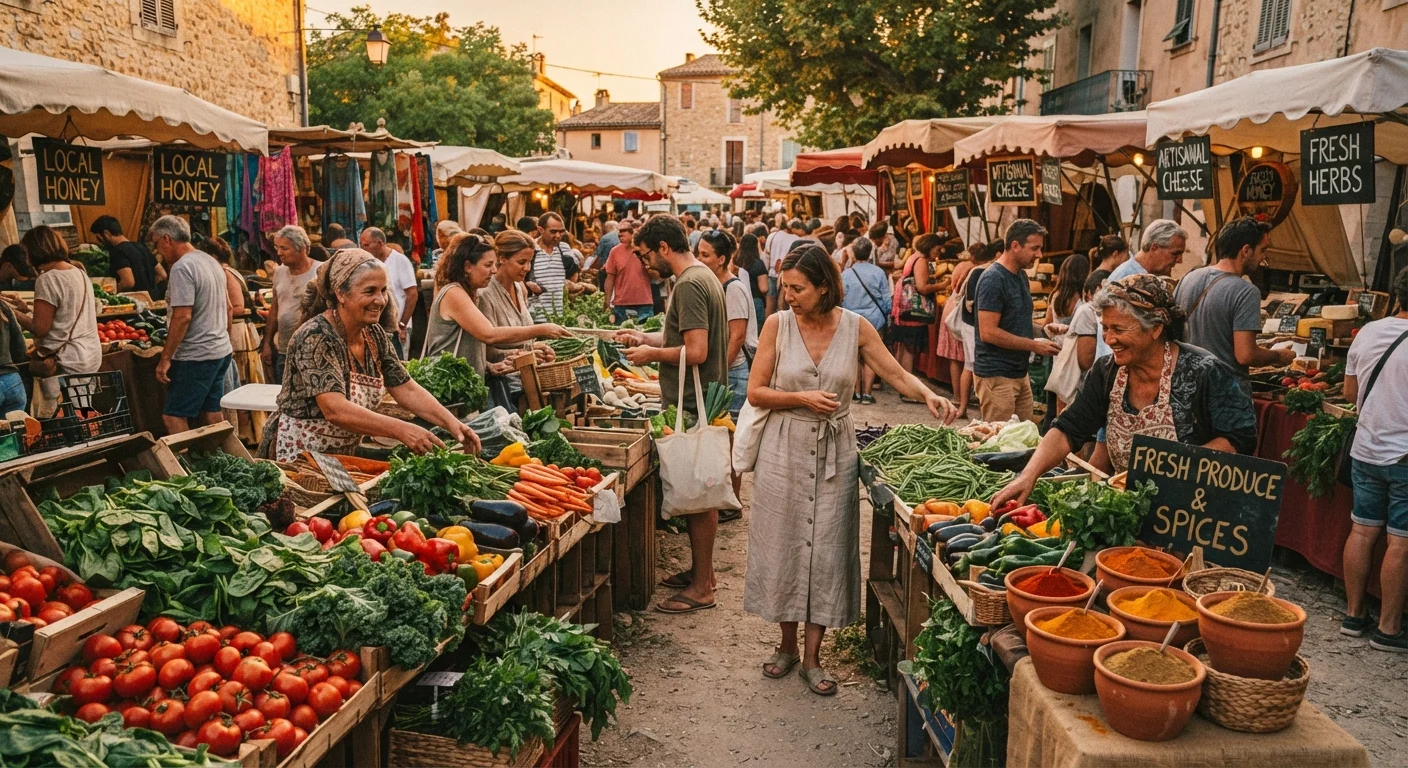
- Food markets reveal seasonal produce, local staples, and cultural priorities that restaurants often obscure.
- Arriving early gives you access to the market at its most active and authentic.
- Observing what locals buy—not just what vendors sell to tourists—is the most reliable signal.
- Street food stalls inside markets often reflect the most honest and affordable local cooking.
- Engaging vendors with simple questions can open up genuine cultural exchange.
What you will need
Why Markets Reveal What Restaurants Cannot
A restaurant meal tells you what a kitchen has decided to present to paying guests. A public food market tells you what people actually eat, what's growing right now, and what ingredients a community considers worth travelling across town to acquire. The gap between those two things is often where a destination's real culinary character lives.
Markets operate at the supply end of a food culture. They reflect agricultural geography, trade history, immigration patterns, and seasonal rhythms all at once—without the editorial layer that a menu imposes. Walking through a well-established public market is closer to reading a primary source than reading a review.
This is especially valuable for travelers interested in going beyond surface-level tourism. As a companion habit, researching a destination through credible sources before you arrive gives you the background knowledge to recognize what you're seeing at the market once you get there.
Check Market Hours and Seasonal Closures First
Many public markets operate on limited schedules—some only on specific weekday mornings, others closed entirely in off-season. Verify current hours with the local tourism authority or official market website before planning your visit. Conditions and schedules can change, so don't rely solely on travel blog posts, which may not reflect recent updates.
What You'll Need Before You Go
What you will need
Small denomination local currency
Many market vendors do not accept cards; having small bills ensures smooth, respectful transactions.
Reusable tote bag
Carries purchases without relying on plastic bags, which many markets no longer provide.
Translation app (offline-capable)
Helps communicate with vendors and read handwritten signs when you don't speak the local language.
A small notebook or notes app
Record ingredient names, dish ideas, or producers to research later.
How to Read a Market Step by Step
Arrive Early and Walk the Full Market First
The first hour of a market is its most revealing. Vendors are restocking, local regulars are making their weekly purchases, and the atmosphere is less shaped by tourist traffic. Resist the urge to buy immediately. Instead, do a full circuit of the stalls first to map out what's available, notice what's most abundant, and identify which vendors are drawing the most local customers.
Read the Produce for Seasonal and Regional Signals
The fruits, vegetables, and grains stacked highest and sold at the lowest prices are almost always what's currently in season locally. This is one of the clearest signals a market gives you. An abundance of a particular citrus, root vegetable, or grain tells you something specific about the climate, the agricultural calendar, and by extension, what's going to taste best in local restaurants and homes right now.
Notice what you don't recognize, too. Unfamiliar produce is an invitation to ask questions and to understand ingredients that define the cuisine but rarely appear in export markets abroad.
Observe Who Is Shopping and What They're Buying
The most useful market intelligence comes not from vendor displays but from the baskets of people who live there. Watch what regulars select—quantities, combinations of ingredients, how they assess quality. A buyer who squeezes a melon in a particular way or inspects fish gills is demonstrating local food knowledge worth noting. This kind of observation helps you understand what a destination values in its food, which is ultimately a cultural statement.
Seek Out the Prepared Food Stalls
Most public markets include vendors selling cooked or ready-to-eat food—soups, grilled items, pastries, pickles, or hot beverages. These stalls are often where you'll find the most direct expression of everyday local cooking: not a restaurant version curated for visitors, but the kind of food people eat on a Tuesday morning between errands. Eating here is one of the most honest and affordable ways to engage with a destination's culinary identity.
For destination discovery that goes beyond the obvious, learning to distinguish genuinely local experiences from tourist-oriented ones is a valuable companion skill.
Ask One Genuine Question per Stall
You don't need to conduct an interview. A single honest question—'What's the best way to eat this?' or 'Is this grown locally?'—can open a conversation that no guided tour replicates. Vendors who supply local households are often deeply knowledgeable about seasonality, preparation, and provenance. Even a brief exchange builds context that reshapes how you experience everything else in that destination.
[tip_callout]Record What You've Learned Before You Leave
Before exiting the market, spend a few minutes writing down ingredient names (photograph signs if spelling is difficult), names of stalls worth returning to, and any dish references that came up in conversation. This becomes a practical research thread: you can look up unfamiliar ingredients, trace dishes to their regional origins, and build a more textured understanding of the cuisine that goes beyond what any restaurant menu explains.
Taking the Market Beyond the Visit
The value of a market visit compounds after you leave. Ingredient names you recorded become search terms; dishes you tasted become reference points for understanding a regional cuisine more broadly. If you're traveling by road across a region, planning stops around local markets rather than highway rest areas is one of the most reliable ways to anchor a trip in genuine local experience.
For destinations with a strong food identity—the American South, for example has a particularly layered market and food culture worth exploring—the market visit functions almost as a field guide to the meals and culinary history you'll encounter elsewhere on the trip.
Food Safety at Markets Abroad
Raw or unwashed produce, unfamiliar preparations, and variable refrigeration standards can pose food safety risks, particularly in regions with different hygiene norms. Use your judgment—if a stall looks poorly maintained or food has been sitting out in heat for extended periods, skip it. When in doubt about local water safety, stick to whole fruits you peel yourself.