

| Most populated island | Oahu (U.S. Census Bureau) |
| Largest island by land area | Hawaii Island (The Big Island) |
| Oldest main island (geologically) | Kauai |
| Active volcano location | Kīlauea, Hawaii Island — within Hawaiʻi Volcanoes National Park (U.S. Geological Survey) |
| Typical inter-island flight time | 30–60 minutes |
| Climate zones on the Big Island | 11 of Earth's 14 climate zones |
Why Each Hawaiian Island Feels Like a Different World
Hawaii is often spoken of as a single destination, but the state's main islands are remarkably distinct from one another. Formed by volcanic activity over millions of years at different points along a tectonic hot spot, each island has aged differently — and that geological history shapes everything from terrain and climate to the pace of life visitors experience.
Understanding those differences before you book inter-island flights can make the difference between a trip that matches your expectations and one that surprises you in frustrating ways. Here is what actually sets the four most-visited islands apart.
| Most populated island | Oahu (U.S. Census Bureau) |
| Largest island by land area | Hawaii Island (The Big Island) |
| Oldest main island (geologically) | Kauai |
| Active volcano location | Kīlauea, Hawaii Island — within Hawaiʻi Volcanoes National Park (U.S. Geological Survey) |
| Typical inter-island flight time | 30–60 minutes |
| Climate zones on the Big Island | 11 of Earth's 14 climate zones |
Island by Island: Character, Landscape, and What to Expect
Oahu is the most populous island and home to Honolulu, Waikiki Beach, and Pearl Harbor. It offers the most developed tourism infrastructure — extensive public transit, a wide range of lodging at every price point, and world-class dining and nightlife. Its North Shore is internationally recognized for large winter surf. Oahu suits travelers who want cultural institutions, urban conveniences, and iconic experiences alongside beach time.
Maui is known for its combination of luxury resort development and natural drama. The Road to Hana — a winding, cliff-hugging coastal highway — and Haleakalā National Park, where a massive dormant volcano rises above the clouds, draw visitors seeking scenic adventure. Maui's western coastline, particularly around Lahaina and Ka'anapali, has historically been a center for whale watching (humpback whales winter in Hawaiian waters). The island's overall tone is polished but still accessible.
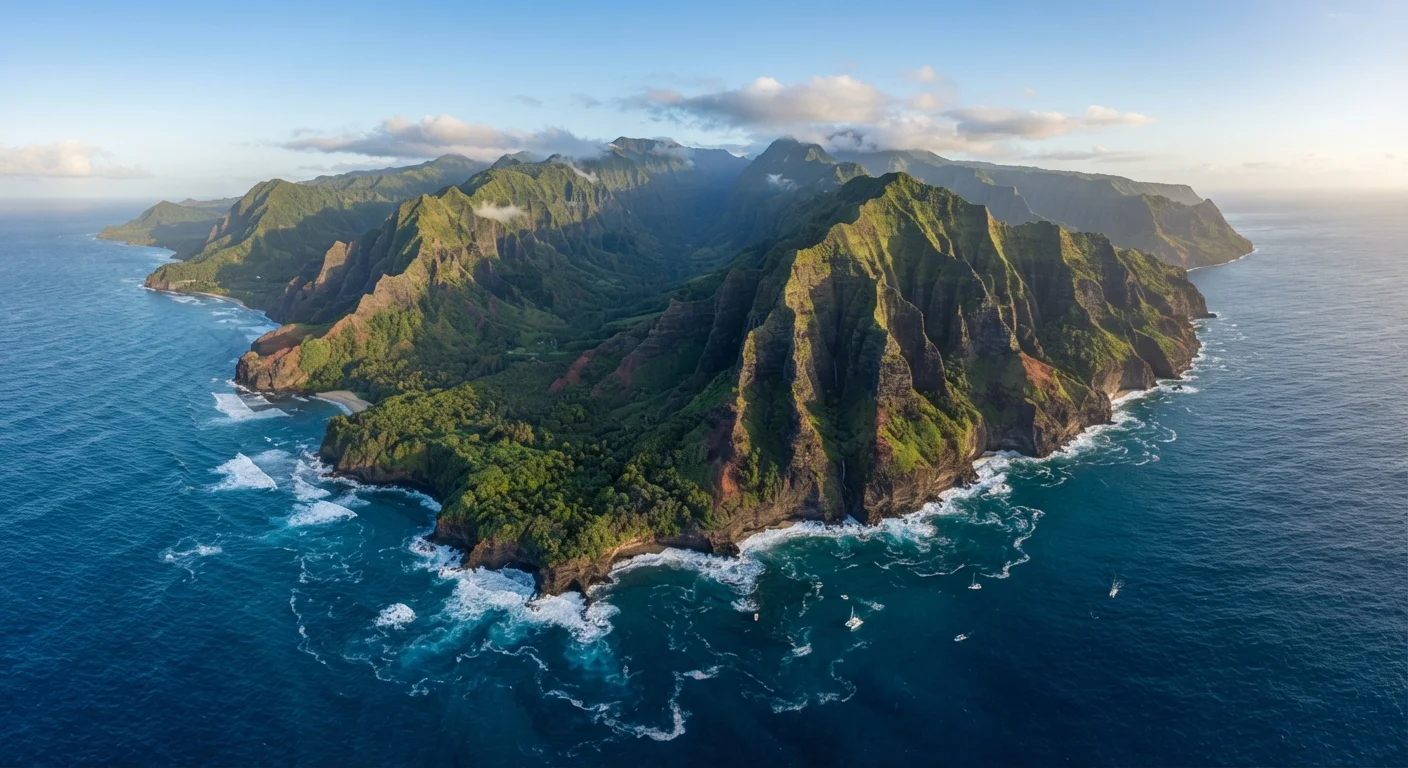
Kauai is the oldest of the main islands geologically, and that age shows in its landscape: deeply eroded valleys, soaring sea cliffs along the Nā Pali Coast, and intensely green interior terrain that receives some of the highest annual rainfall recorded anywhere on Earth. Kauai has deliberately limited large-scale resort development, giving it a quieter, more rugged character. It appeals strongly to hikers, nature photographers, and travelers prioritizing seclusion over amenities.
The Big Island (Hawaii Island) is the youngest island geologically and still actively growing. Kīlauea, one of the world's most active volcanoes, is located within Hawaiʻi Volcanoes National Park. The island is so large that it contains 11 of Earth's 14 climate zones — you can drive from black lava fields to snow-capped Mauna Kea within a few hours. It attracts stargazers, volcano enthusiasts, and travelers who enjoy exploring diverse ecosystems.
Windward side
The side of an island facing the prevailing trade winds, typically the northeastern coast in Hawaii. Windward sides receive considerably more rainfall and are generally lusher and greener.
Leeward side
The side of an island sheltered from the prevailing winds, usually the southwestern coast. Leeward areas in Hawaii tend to be drier and sunnier, and are where most major resort developments are located.
Hot spot volcanism
A geological process where a stationary plume of heat in Earth's mantle creates a series of volcanoes as a tectonic plate moves over it. Hawaii's island chain was formed this way, which is why islands differ in age and landscape.
Nā Pali Coast
A dramatic stretch of sea cliffs on Kauai's northwestern shore, characterized by deep valleys and ridges rising steeply from the ocean. It is accessible primarily by boat, helicopter, or a strenuous hiking trail.
Practical Considerations for Island Hopping
Inter-island flights are the standard way to move between islands; the journey typically takes 30–60 minutes. Inter-island ferry service is limited and does not connect all islands, so verify options before planning. Travelers should budget extra time for airport check-in, as inter-island flights operate on tight turnarounds.
Verify Travel Conditions Before You Go
Road access, park reservation requirements, and ferry schedules can change due to weather events, volcanic activity, or policy updates. Always check official sources — including the Hawaii Tourism Authority, National Park Service, and your airline or ferry provider — before finalizing your itinerary. Travel conditions in Hawaii can shift quickly, especially on more remote or weather-exposed islands.
Each island also has its own microclimate dynamics. On most islands, the windward (northeastern) side receives significantly more rain than the leeward (southwestern) side. Researching which side of the island your accommodation sits on can affect your daily experience considerably.
Rental cars are generally essential outside of Oahu, where public transit is more developed. Road conditions vary — some scenic routes, including parts of Maui's Road to Hana and Kauai's remote north shore, require careful driving and significant time commitments. Verify current road access before you go, as conditions can change after heavy rain or storms.
Entry to national parks and some state parks requires advance reservations at popular sites. Visitors are encouraged to check the National Park Service and Hawaii's Division of State Parks websites for current requirements before traveling.