

Key Takeaways
- Consistent moisture and gentle handling matter more than any single nail product.
- Cuticle care, proper trimming technique, and diet all influence nail strength over time.
- Most common nail problems respond well to simple, sustained at-home routines.
- Nail changes that seem unusual or persistent should be evaluated by a healthcare professional.
Why At-Home Nail Care Is More Effective Than You Might Think
Professional nail services can be enjoyable, but they're not required for healthy, well-maintained nails. In fact, the foundation of strong nails has very little to do with polish or treatments — it comes down to daily habits that protect the nail plate and surrounding skin from common, cumulative damage.
The nail plate grows approximately 3 to 4 millimeters per month on average, renewing itself continuously. That means the choices you make every day — how you handle moisture, how you trim, what you eat — have a compounding effect on nail health that shows up weeks later. Establishing a consistent routine at home puts that biology to work in your favor.
This guide focuses on proven, practical habits grounded in how nails actually grow and behave. If you're interested in how similar foundational thinking applies to other areas of grooming, our everyday grooming habit audit offers a useful companion checklist.
Core Practices for Stronger, Healthier Nails
The following practices address the most common causes of nail damage — over-drying, physical trauma, poor trimming technique, and nutritional gaps. Consistency matters more than perfection here; even adopting two or three of these habits reliably will produce noticeable results over several weeks.
Keep nails trimmed to a manageable length and file in one direction only.
Nails that are too long catch on surfaces and break unevenly. Sawing back and forth with a file creates micro-tears along the nail edge, leading to peeling and splitting over time.
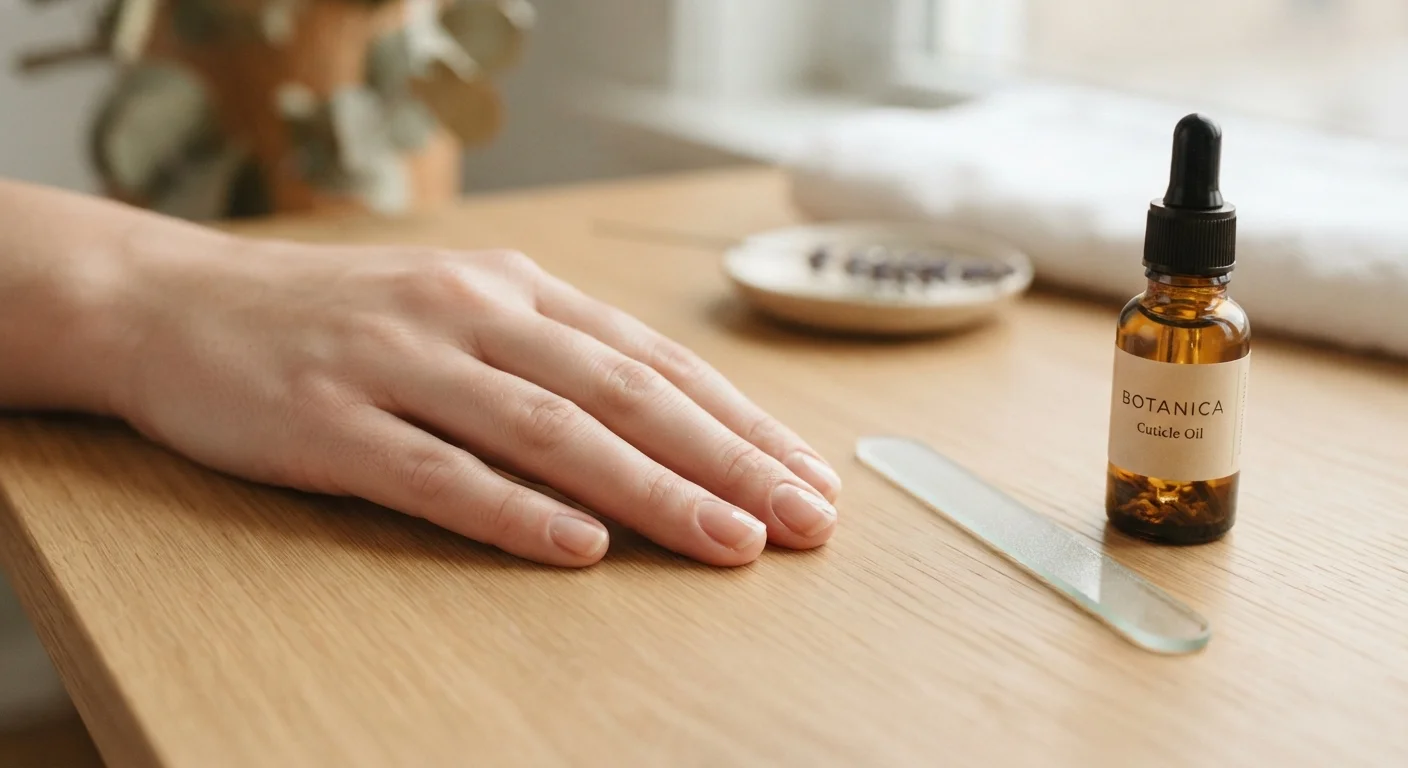
Apply cuticle oil or a rich hand cream daily, especially after washing your hands.
Water and soap strip the natural oils from the nail plate and surrounding skin. Consistent rehydration helps prevent brittle nails, hangnails, and cracked cuticle skin that can become uncomfortable or prone to infection.
Push cuticles back gently rather than cutting them.
The cuticle is a protective seal between the nail plate and the skin. Cutting it creates an opening that allows bacteria or fungi to enter, increasing infection risk. Softening cuticles with warm water first makes them easier to manage without damage.
Wear gloves during cleaning and dishwashing tasks.
Prolonged exposure to water, detergents, and household chemicals weakens the nail plate and dries out surrounding skin rapidly. This is one of the most overlooked contributors to brittle or peeling nails in people who otherwise have a solid care routine.
Support nail health from within through a varied, balanced diet.
Nails are made largely of a protein called keratin, and their growth and strength are influenced by nutrient intake — particularly protein, biotin, zinc, and iron. Deficiencies in these nutrients are associated with slower growth and structural weakness.
Small Changes You Can Make Right Now
You don't need to overhaul your entire routine to see improvement. A few targeted adjustments, made consistently, often deliver the most meaningful results. Start with whichever of these fits most easily into your current day.
When to See a Professional
At-home care covers the vast majority of everyday nail maintenance. However, significant changes in nail color, texture, shape, or growth — such as pitting, yellowing, thickening, or separation from the nail bed — can sometimes signal an underlying health condition. These changes are worth discussing with a dermatologist or primary care provider rather than addressing on your own.
This article is for general informational and educational purposes only and is not a substitute for professional medical or dermatological advice. If you notice persistent or unusual changes in your nails, consult a qualified healthcare provider.