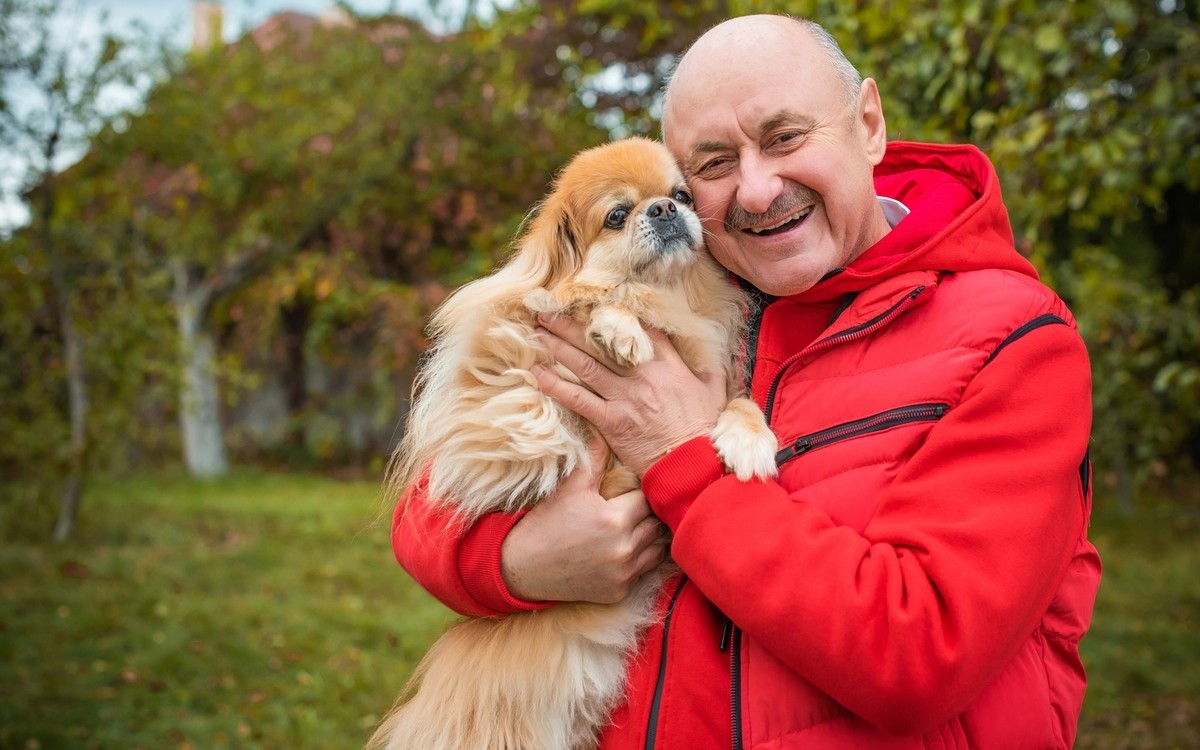
10 things to know before adopting a pet as a senior
Adopting a pet animal after retirement can bring warmth, routine, and a quiet sense of companionship into everyday life. The presence of an animal often adds movement, connection, and moments of joy that feel both simple and meaningful. However, adoption is a long-term commitment that requires careful thought. It’s not about finding the best pets for seniors, but rather matching lifestyles, energy levels, and daily rhythms, to ensure the companionship feels natural rather than overwhelming.
Matching Energy Levels
Every pet carries a certain pace. Some are lively and require frequent interaction, while others are calm and content with quiet companionship. Choosing an animal whose energy aligns with a slower, steadier routine helps create a more comfortable experience. A relaxed pet companion often blends seamlessly into daily life, offering presence without constant demand.
Considering Living Space
The layout and size of a home can influence how comfortable a pet feels. Smaller spaces tend to suit animals that require minimal movement, while more open areas can accommodate those that enjoy exploring. A well-matched environment supports both ease of care and the pet’s comfort, allowing daily routines to remain smooth and manageable.
Feeding and Grooming Routines
Daily care forms the foundation of pet ownership. Feeding schedules and basic grooming needs vary depending on the type of animal, but consistency remains important. Some pets require only simple care, while others need more regular attention. Understanding these routines early helps maintain balance and prevents the experience from feeling overwhelming.
Time Commitment and Consistency
Pets thrive on routine. Regular feeding, interaction, and rest create a predictable rhythm that supports both the pet and the household. A consistent routine not only helps the pet adjust but also adds structure to the day, turning care into a steady and manageable habit.
Low-Maintenance Companions
Some animals adapt well to quieter lifestyles and require less daily involvement. These companions provide comfort and a sense of presence without demanding constant activity. Their independent nature can make them low-maintenance pets for older adults seeking a more relaxed form of companionship.
Social and Interactive Pets
Other animals bring a more engaging presence, enjoying play and regular interaction. These companions can add energy and liveliness to the home. While they require more attention, they also create moments of connection that feel dynamic and fulfilling.
Creating a Designated Area
A dedicated space for rest, feeding, and play helps a pet settle more comfortably. This area becomes familiar over time, offering a sense of stability. Having a defined space also keeps routines organized, making daily care feel more structured and less scattered.
Removing Potential Hazards
A safe environment supports both comfort and ease of movement. Clear pathways, stable surfaces, and minimal clutter reduce the likelihood of accidents. These small adjustments create a space where interaction feels natural and worry-free.
Planning for Changing Routines
Daily life can shift over time, and it is important to consider how a pet fits into those changes. A flexible approach to routines ensures that care remains consistent even when schedules evolve. This foresight helps maintain a balanced and sustainable relationship.
Considering Support Systems
Reliable support adds reassurance to long-term pet care. Family, friends, or community connections can provide occasional assistance when needed. This support system allows independence to continue while ensuring that care remains steady and uninterrupted.